Style & Trend
Seasonal Wedding Flowers: Month-by-Month Guide for IE Weddings
How to choose and style the best wedding flowers for each season
Seasonal wedding flowers can help you create beautiful, natural-looking arrangements while keeping costs under control. In this month-by-month guide, we share the best IE wedding flowers for every season, with colour palette ideas, styling tips and expert florist advice.
Key Takeaways
- Choosing seasonal wedding flowers is one of the easiest ways to reduce costs without compromising on quality or style.
- Working with what’s naturally in season means your flowers will look more cohesive, photograph beautifully and effortlessly suit your setting.
- IE seasonal wedding flowers are often fresher and more sustainable, as they rely less on imports or long-distance transport.
- If you want the best value and widest choice, late spring and summer offer the most flexibility for wedding flowers by month.
- Popular flowers like peonies and dahlias are highly seasonal, so timing your wedding date around them can make a big difference.
- If you’re set on a specific look, a florist can suggest in-season alternatives that achieve a similar style for less.
| Month | Best seasonal flowers | Best palette |
|---|---|---|
| January | Amaryllis, camellia, hellebores, winter honeysuckle | White, burgundy, dark green |
| February | Snowdrops, paperwhites, irises | Blush pink, cream, mauve |
| March | Daffodils, narcissus, hyacinths, tulips, camellias | Yellow, white, pastel pinks and blues |
| April | Ranunculus, Lily of the Valley, sweet peas, anemones, early peonies, cherry blossom | Soft pastels, peach, lilac |
| May | Peonies, sweet peas, garden roses, lilacs, hydrangeas, stocks | Blush, ivory, soft pink, sage green |
| June | Roses, peonies, foxgloves, delphiniums, sweet peas | Soft neutrals, dusty blues, hot pinks |
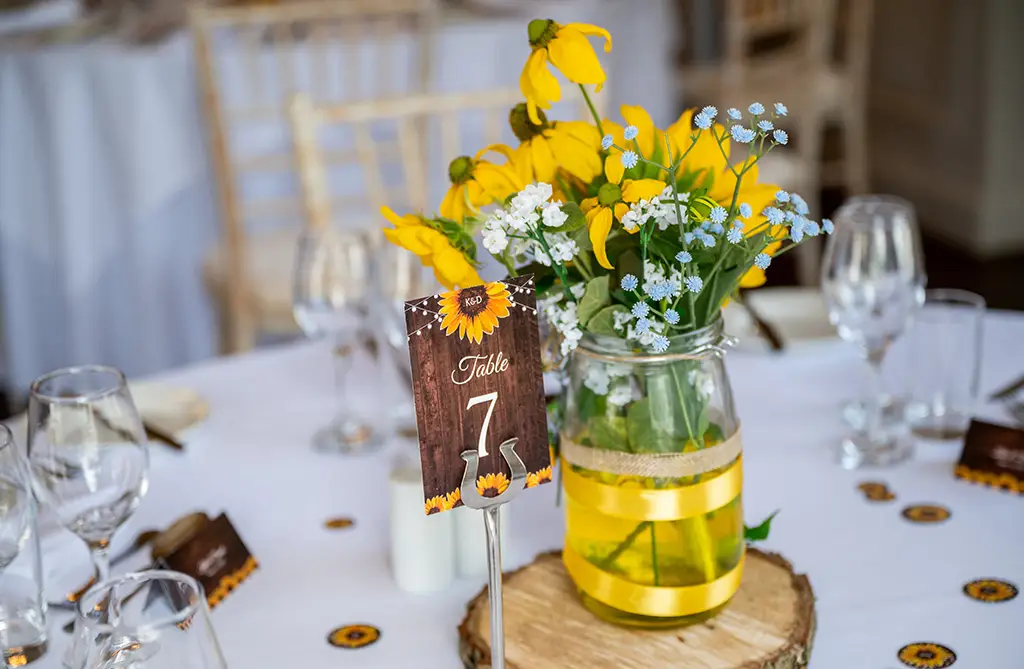
| July | Early dahlias, sunflowers, lavender, lisianthus | Bright yellow, coral, pink, purple |
| August | Dahlias, sunflowers, zinnias, cosmos, hydrangeas | Deep pink, orange, plum, green |
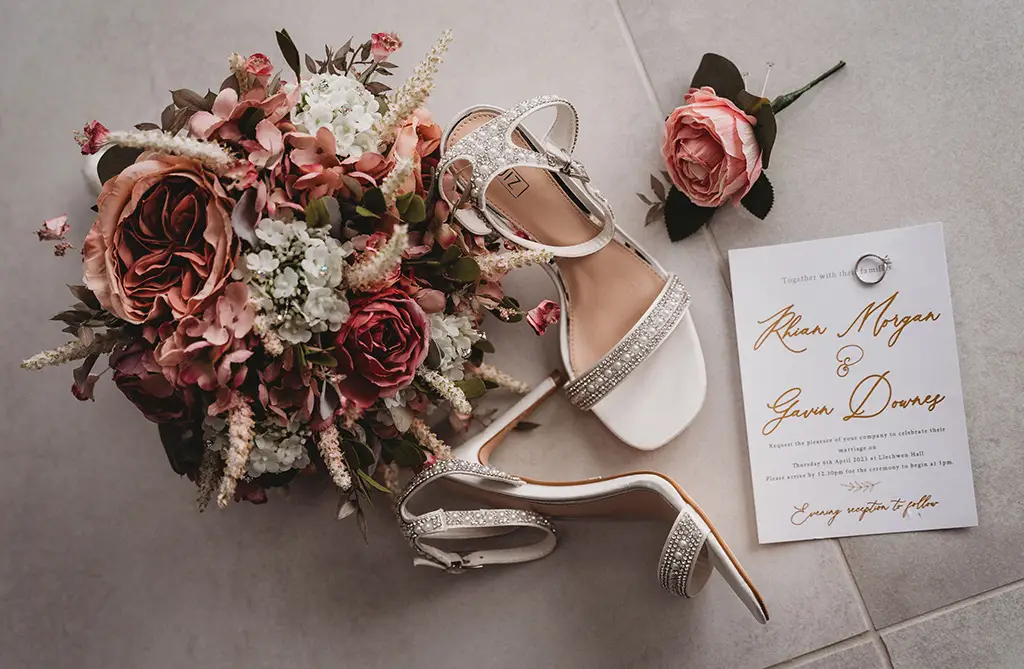
| September | Dahlias, roses, asters, lilies | Rust, burgundy, golden yellow |
| October | Chrysanthemums, roses, berries, foliage | Burnt orange, red, brown, gold |
| November | Chrysanthemums, roses, nerines, eucalyptus | Deep reds, greens, neutrals |
| December | Amaryllis, roses, ranunculus, anemones, waxflower | White, red, green, gold |
Why choose seasonal wedding flowers?
Seasonal wedding flowers are naturally-grown blooms that are readily available around the date of your wedding. Nima, florist at Sèreality Studios, always recommends seasonal wedding flowers to her customers, "They’re fresher, more sustainable and offer the best value,” she says.
Seasonal wedding flowers are often…
- Cost-effective: Seasonal flowers are typically more affordable due to plentiful, local availability and lower transport costs.
- Better quality: Flowers in season are fresher, more vibrant and longer-lasting because they’ve been grown at the right time of year.
- A sustainable choice: Locally-sourced flowers reduce your carbon footprint and support IE growers.
- Suited to the time of year: Working with the seasons means your wedding flowers will feel natural and in tune with your surroundings.
Wedding flowers by month
If you're getting married in the IE then there are plenty of beautiful florals to choose from, whatever the time of year. So, read on to find out what's ready to pick around your wedding date.
January wedding flowers
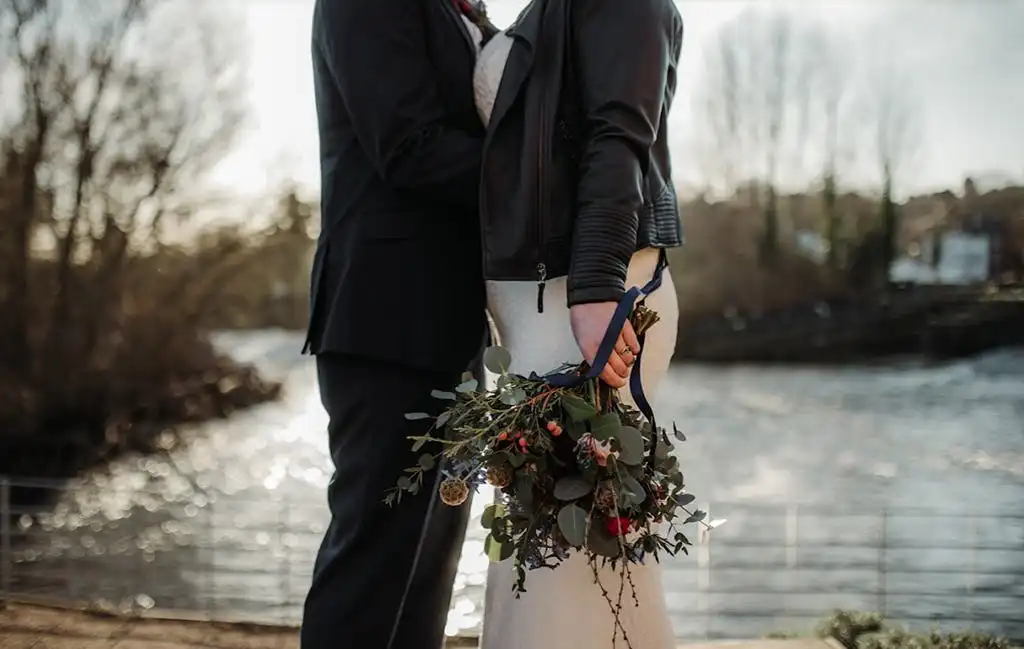
A winter wedding calls for a few carefully-placed blooms with plenty of elegant greenery.
- Key flowers: Amaryllis, camellia, hellebores, winter honeysuckle.
- Colour palette: White, deep red, burgundy, dark green.
- Styling tips: Pair with foliage, like eucalyptus or ivy, and berries for a luxurious winter look.
February wedding flowers
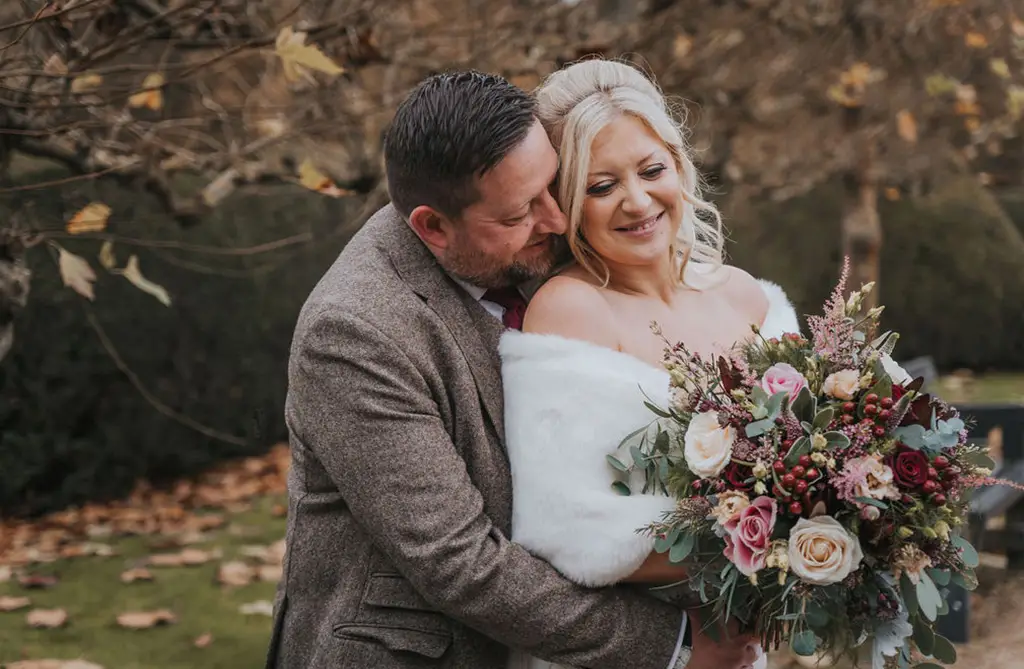
Make the most of the flowers available by using contrast, shape and greenery to create impact.
- Key flowers: Snowdrops, paperwhites, irises.
- Colour palette: Blush pink, cream, mauve.
- Styling tips: Go for delicate, layered bouquets with soft textures.
March wedding flowers
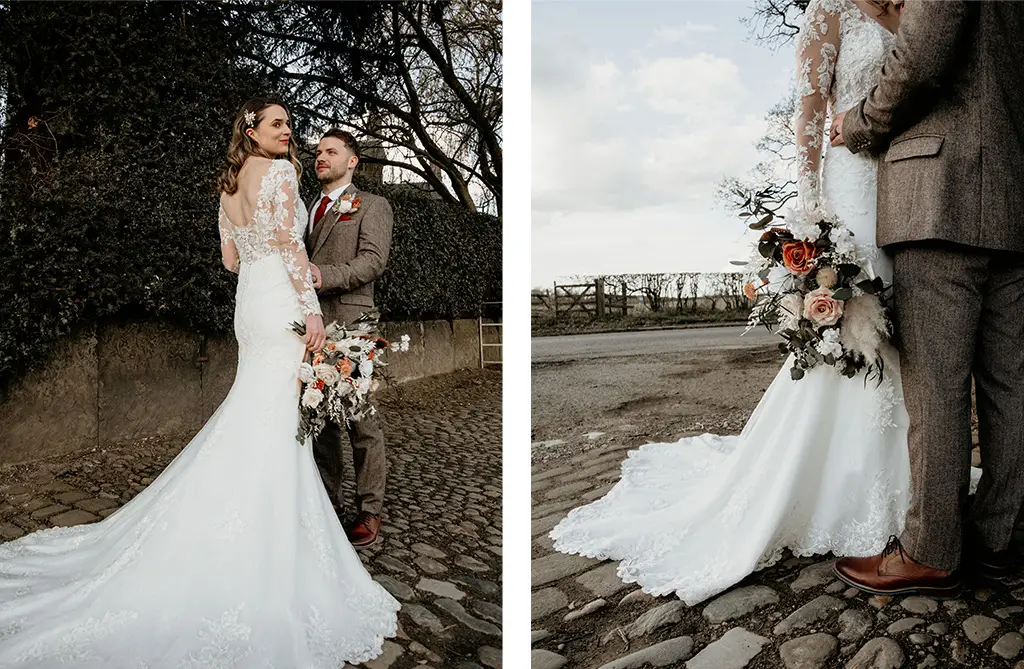
Early spring brings more fresh, bright options and the choice increases as the season progresses.
- Key flowers: Daffodils, narcissus, hyacinths, tulips, camellias.
- Colour palette: Yellow, white, pastel pinks and blues.
- Styling tips: Embrace light, airy arrangements with a natural ‘just picked’ feel.
April wedding flowers
A popular month for IE seasonal wedding flowers, April has plenty of beautiful options for fragrant, natural-looking arrangements.
- Key flowers: Ranunculus, Lily of the Valley, sweet peas, anemones, early peonies, cherry blossom branches.
- Colour palette: Soft pastels, peach, lilac.
- Styling tips: Loose, garden-style bouquets with movement.
May wedding flowers
By May, flowers native to the IE are coming into their own and this is one of the best months for floral variety.
- Key flowers: Peonies, sweet peas, garden roses, lilacs, hydrangeas, stocks.
- Colour palette: Blush, ivory, soft pink, sage green.
- Styling tips: Classic, full bouquets with a romantic ribbon finish.
June wedding flowers
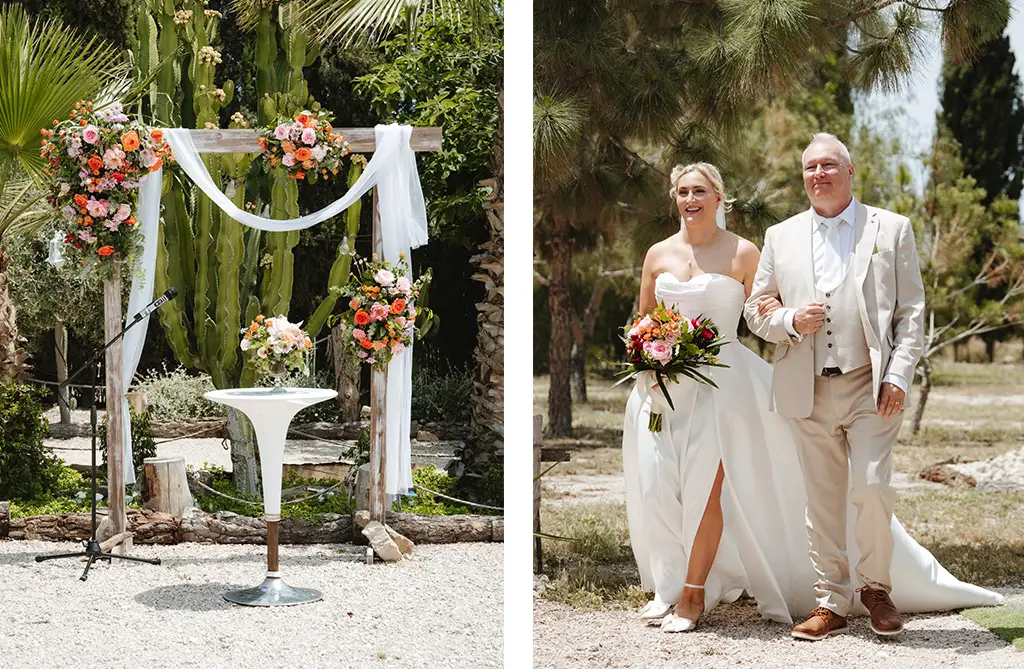
Longer days and warmer temperatures allow a wide range of flowers to thrive, resulting in brighter colour palettes and fuller arrangements.
- Key flowers: Roses, peonies, foxgloves, delphiniums, sweet peas.
- Colour palette: Soft neutrals, dusty blues, hot pinks.
- Styling tips: English garden-inspired arrangements.
July wedding flowers
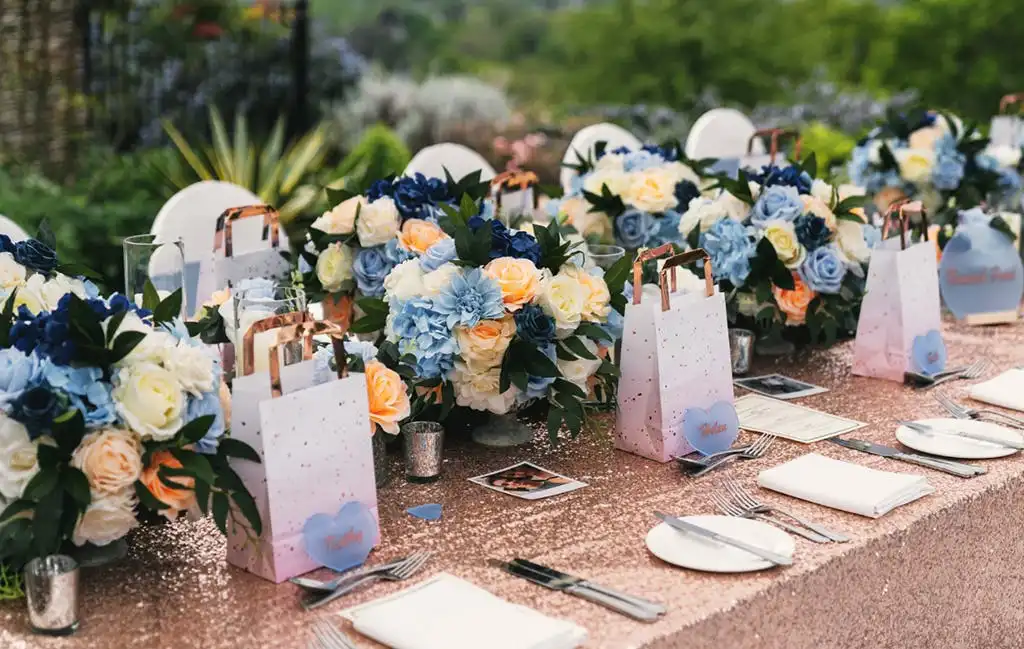
You’ll be spoilt for choice in July with summer florals full of colour and energy, ideal for generous bouquets and abundant table arrangements.
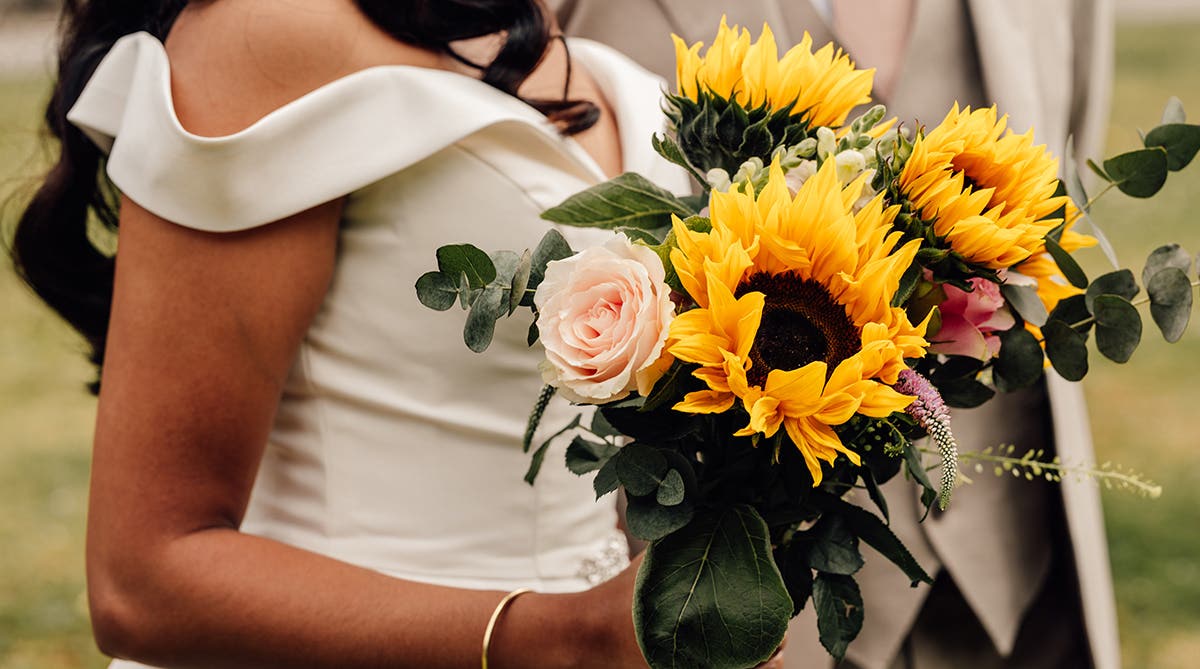
- Key flowers: Dahlias (early), sunflowers, lavender, lisianthus.
- Colour palette: Bright yellow, coral, pink, purple.
- Styling tips: Mix bold and soft blooms for contrast.
August wedding flowers
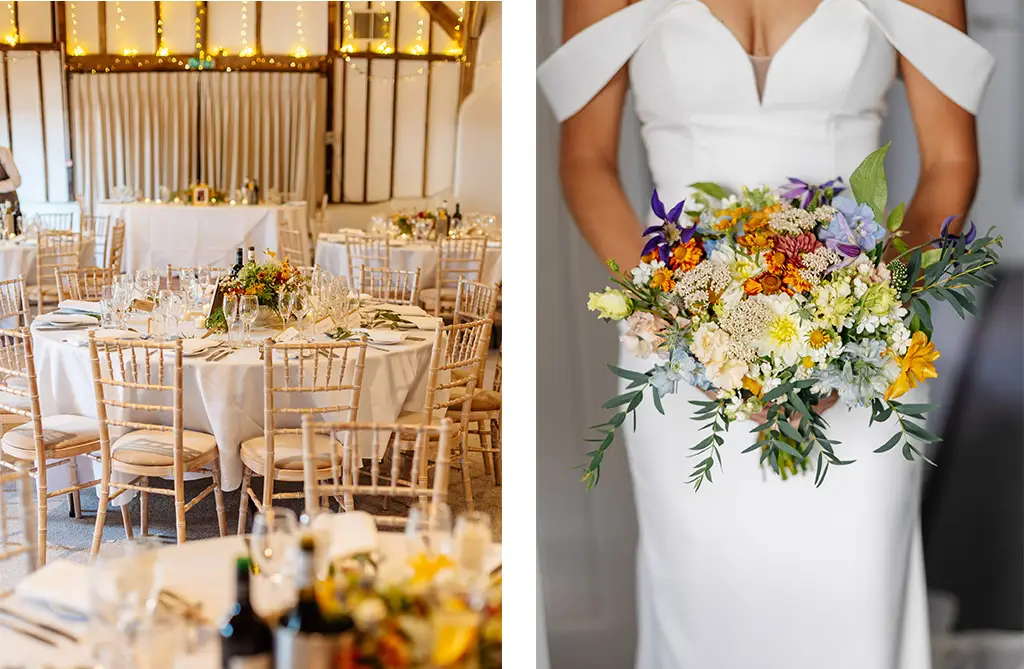
Late summer is all about rich colour and texture, with big bright sunflowers and blousy hydrangeas.
- Key flowers: Dahlias, sunflowers, zinnias, cosmos, hydrangeas.
- Colour palette: Deep pink, orange, plum, green.
- Styling tips: Use statement blooms for impact.
September wedding flowers
As autumn approaches, tones become warmer and deeper but there are still plenty of late summer flowers to enjoy, too.
- Key flowers: Dahlias, roses, asters, lilies.
- Colour palette: Rust, burgundy, golden yellow.
- Styling tips: Add dried elements, like lavender or pampas grass, for texture.
October wedding flowers
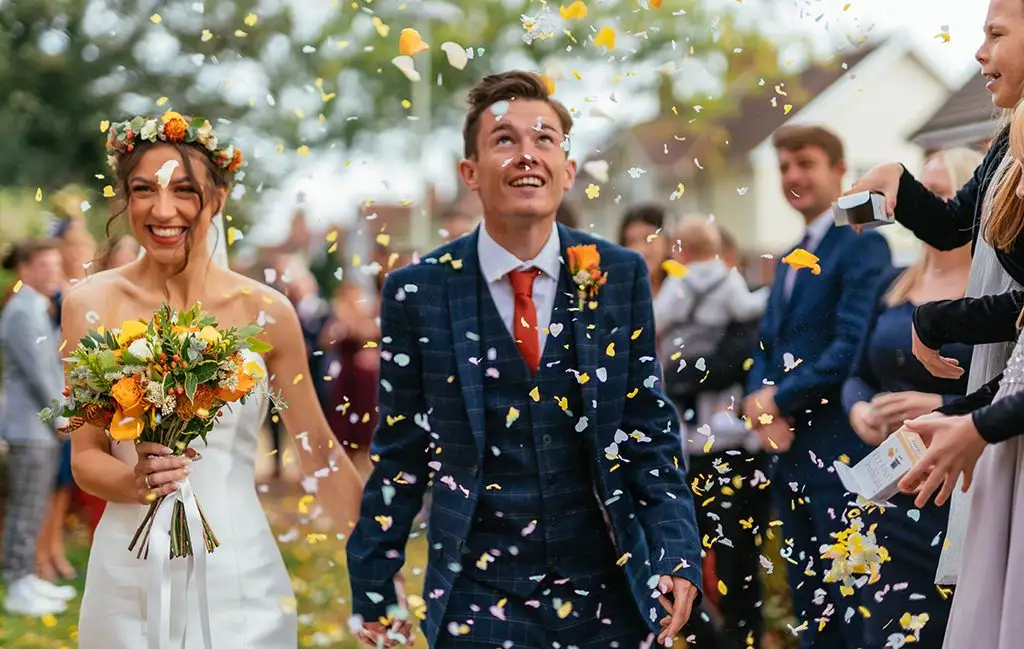
In October lean into the season with autumnal colours and seasonal foliage to create rich, warm and atmospheric displays.
- Key flowers: Chrysanthemums, roses, berries, foliage.
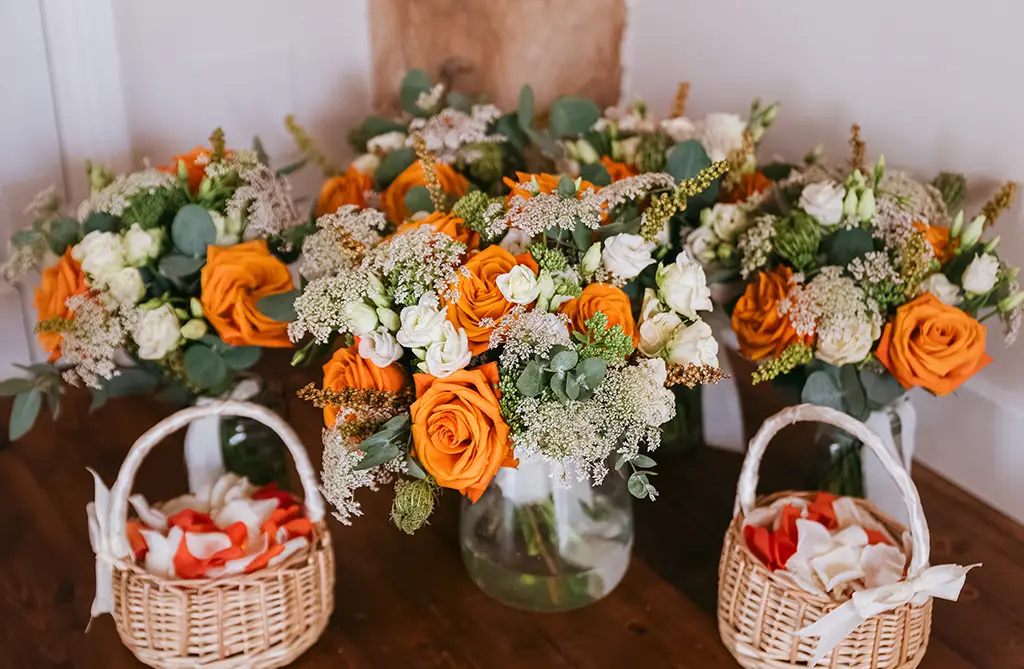
- Colour palette: Burnt orange, red, brown, gold.
- Styling tips: Incorporate seasonal foliage, fruits and textures.
November wedding flowers
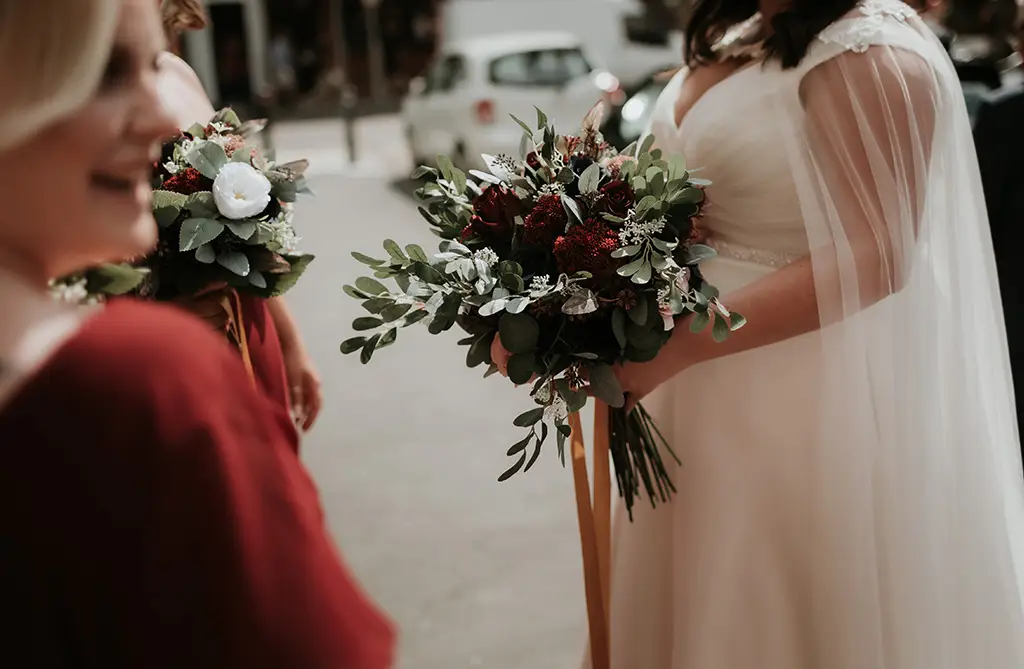
A transitional month with moody, elegant florals and cooler temperatures that will keep flowers looking fresh for longer.
- Key flowers: Chrysanthemums, roses, nerines, eucalyptus
- Colour palette: Deep reds, greens, neutrals
- Styling tips: Keep arrangements structured and minimal
December wedding flowers
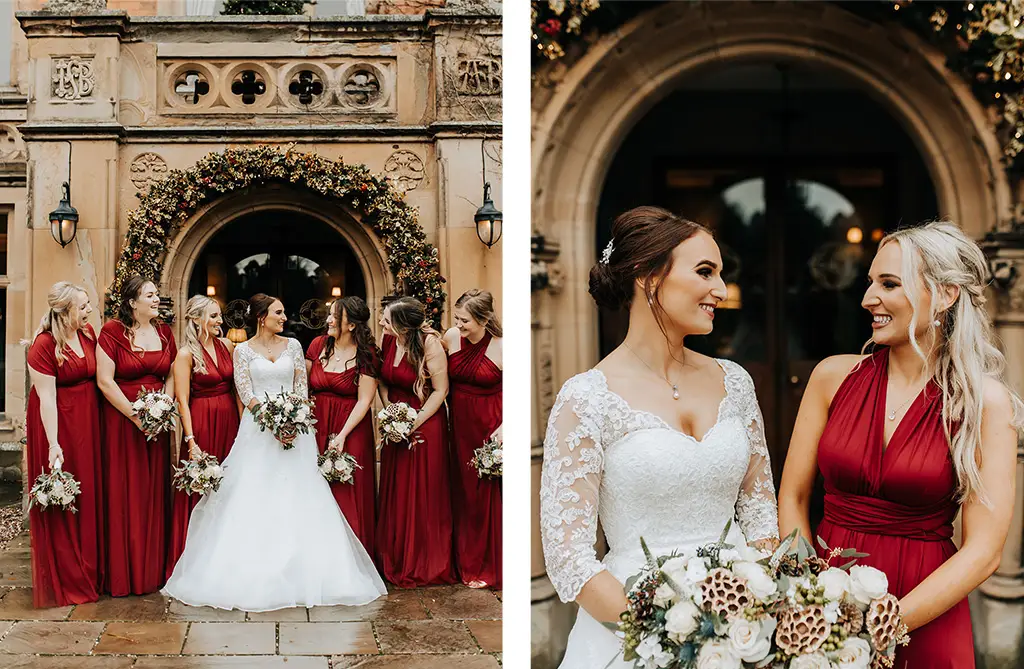
Flower choice is more limited but, with good use of structure and foliage, there are still plenty of luxurious or festive options.
- Key flowers: Amaryllis, roses, ranunculus, anemones, waxflower.
- Colour palette: White, red, green, gold.
- Styling tips: Add seasonal foliage like pine or holly.
Best wedding flowers for each season
Every time of year offers its own colours, textures and standout blooms. So, understanding the best wedding flowers for each season will help you find ones that feel natural and perfectly suited to your day.
Spring wedding flowers
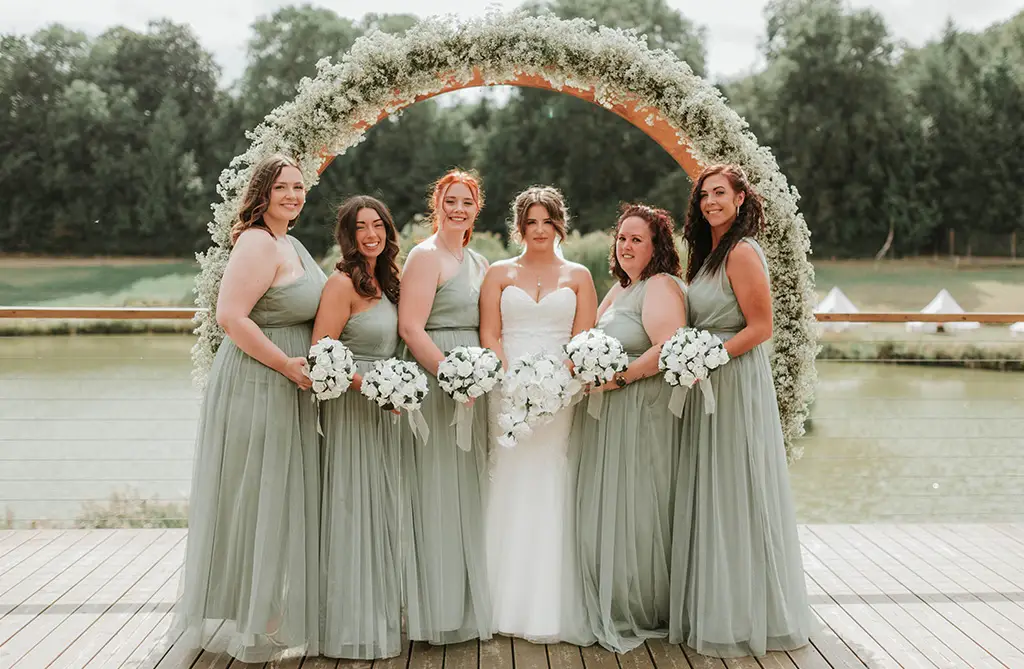
Spring weddings are often associated with lighter colours and softer, more delicate styles. Romantic blooms like tulips, ranunculus and highly-scented Lily of the Valley and sweet peas, are ideal for this season’s pastel colour palettes.
Summer wedding flowers
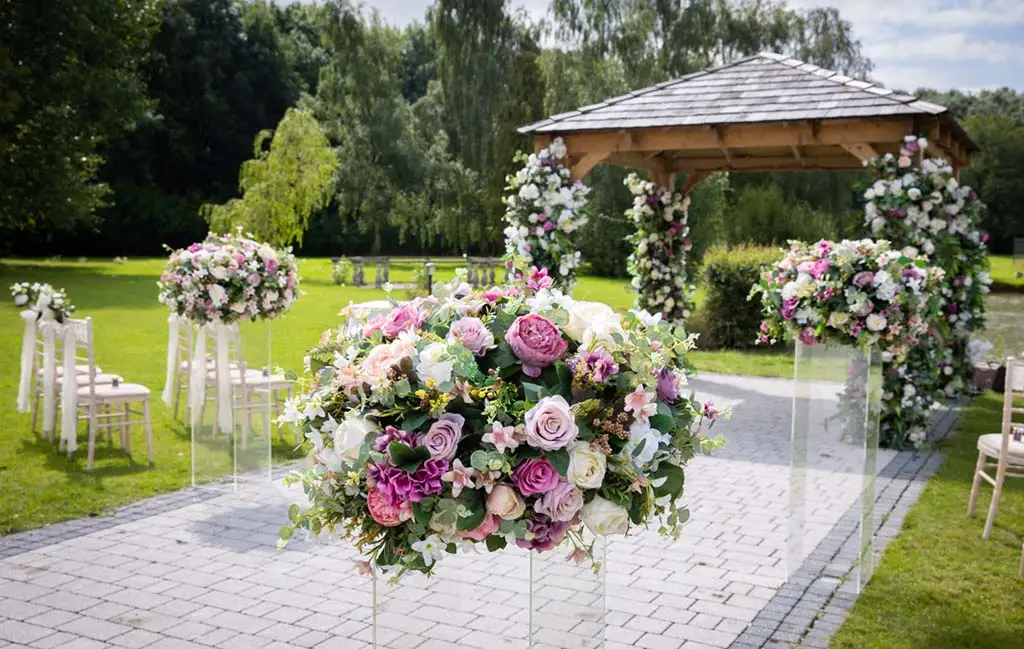
Summer offers vibrant, abundant flowers in a range of colours, from classic roses, dahlias, peonies and poppies to larger, more budget-friendly sunflowers and hydrangeas (as you need less of them). Perfect for bold, colourful or outdoor summer celebrations.
Autumn wedding flowers
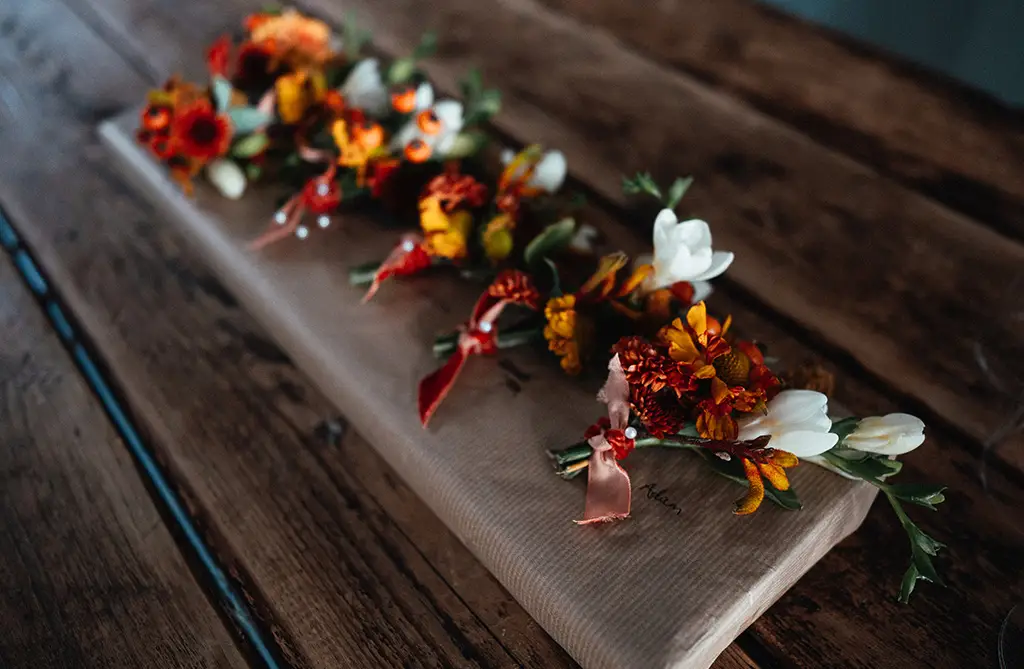
Autumn weddings bring rich jewel tones with chrysanthemums, dahlias, berries and foliage creating warm, dramatic arrangements. Add dried elements, such as grasses and herbs, for beautiful texture.
Winter wedding flowers
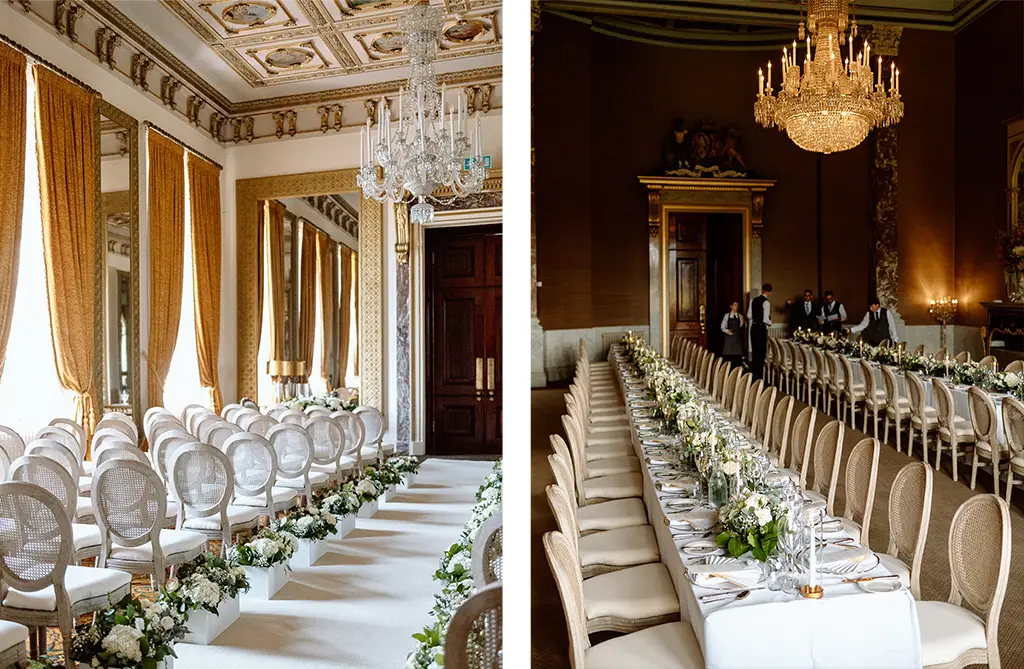
Fewer flowers mean winter weddings suit elegant, structured displays with well-placed striking blooms, like amaryllis, anemones, poinsettias and roses, paired with greenery and metallic accents.
How to choose seasonal wedding flowers
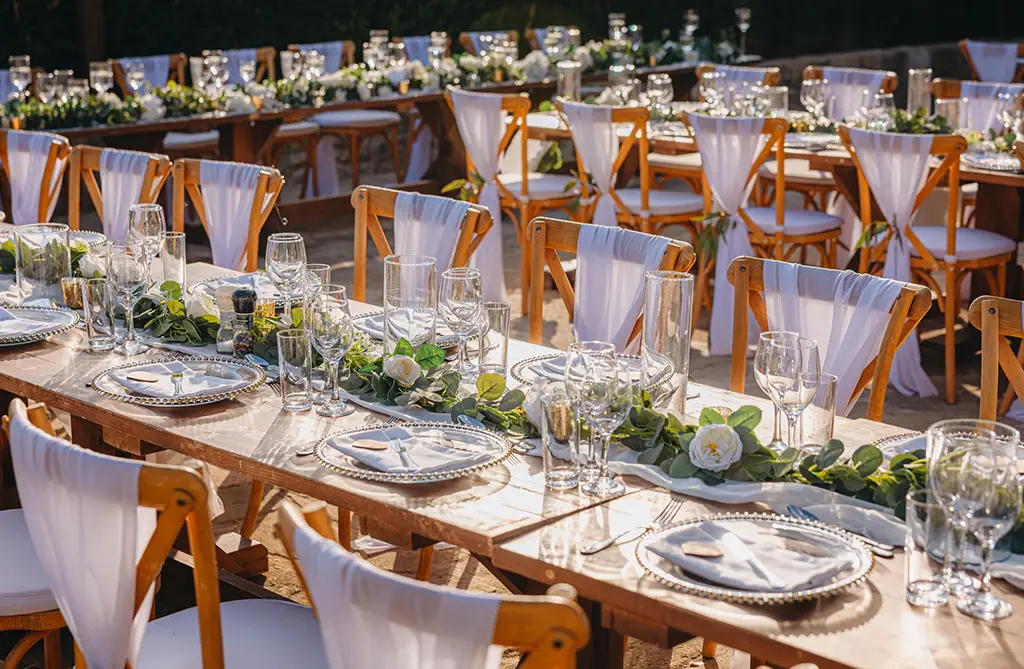
So, now you know what’s available, how do you choose your wedding flowers? Style, colour scheme and cost are the key factors to think about.
Consider your wedding style
Your flowers should complement your overall theme, whether that’s classic, modern, rustic or bohemian, and there are seasonal wedding flowers to suit every look.
Think about your colour palette
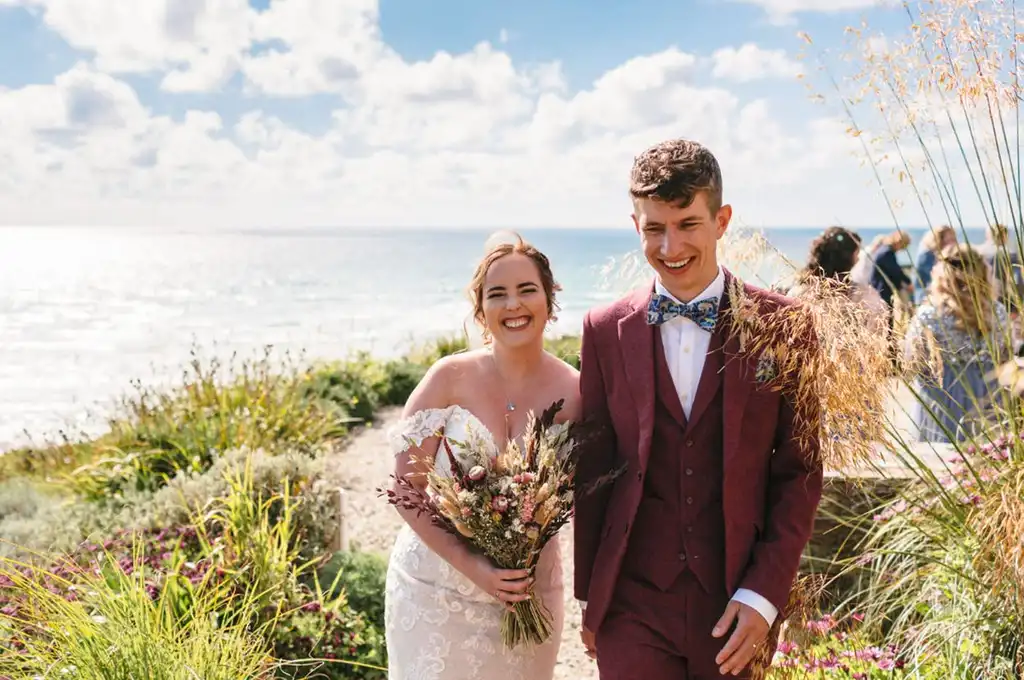
Choose flowers that match your overall colour palette, either by softly complementing it or providing a punchy contrast.
Balance budget and availability
The average spend on wedding flowers is between £1,000 to £1,500*, roughly 7% of the average total budget. However, flowers can cost anything from £200 to £2,500 or more. Work with your florist to find options that suit both your style and your budget.
Think about location and impact
“Think about where florals will have the most visual impact too, like the ceremony backdrop, tables or entryway, to create unforgettable focal points,” says Nasra at Sèreality Studios.
Trust your florist
An experienced florist will guide you in blending statement florals with subtle accents to add depth and dimension to your decor, as well as suggesting multi-purpose displays that work well in more than one location.
Floral styling ideas for your wedding day
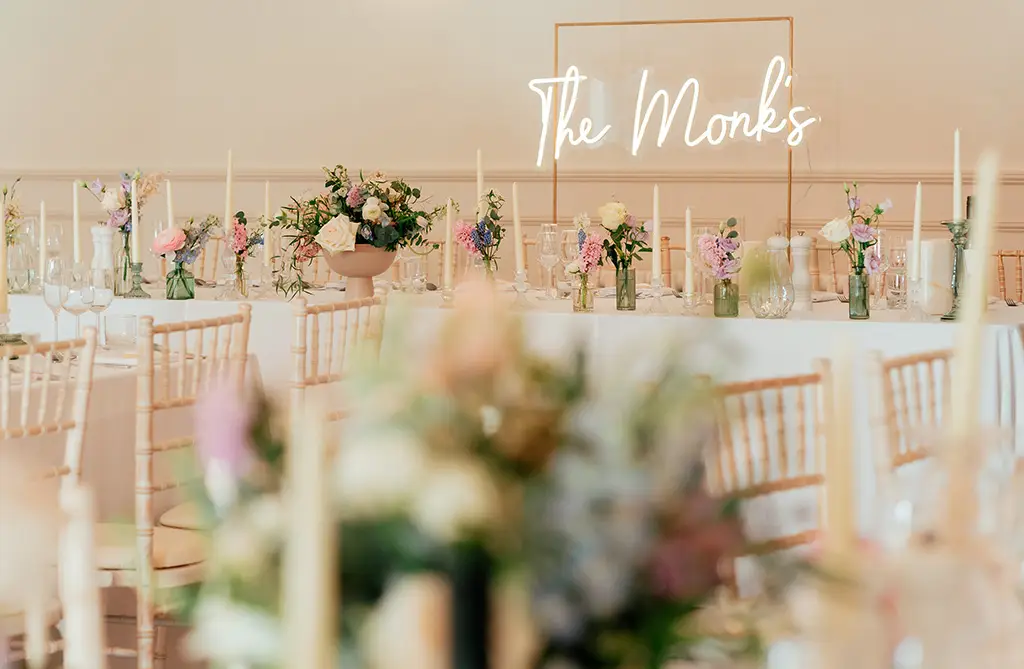
Your wedding flowers do more than look beautiful, they help define the atmosphere and overall style of your day. From bouquets to statement installations, thoughtful floral details can transform every part of your celebration.
Bouquets
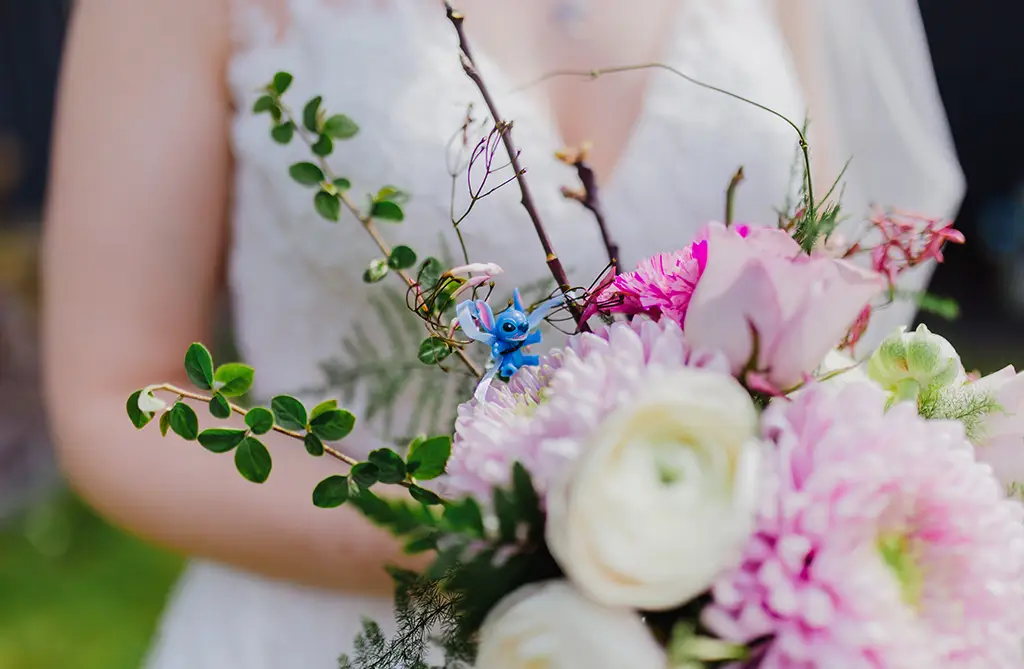
From loose, wild arrangements to structured, classic styles, your bouquet will be front and centre in your wedding photos and should complement, not overpower, your dress. For example, neat traditional bouquets are ideal for a classic style while unstructured arrangements work better with a soft, boho look.
A simple rule of thumb is also ‘the bigger the dress, the bigger the bouquet’. So, for a slim sheath, consider a single rose or a compact bunch of cala lilies, while a layered ballgown can handle something draped and dramatic.
Ceremony décor
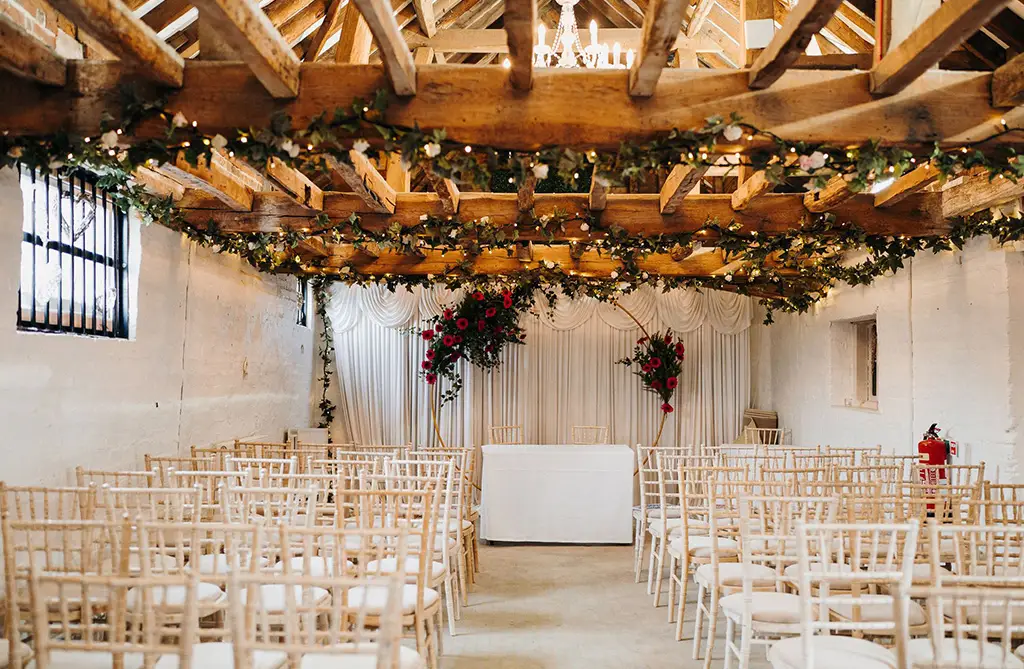
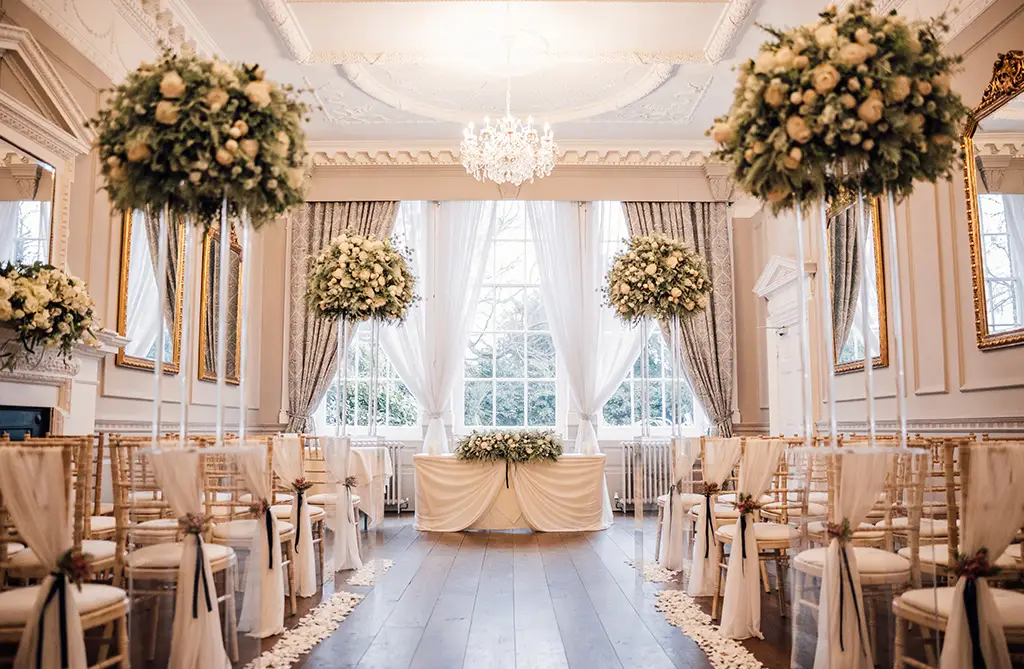
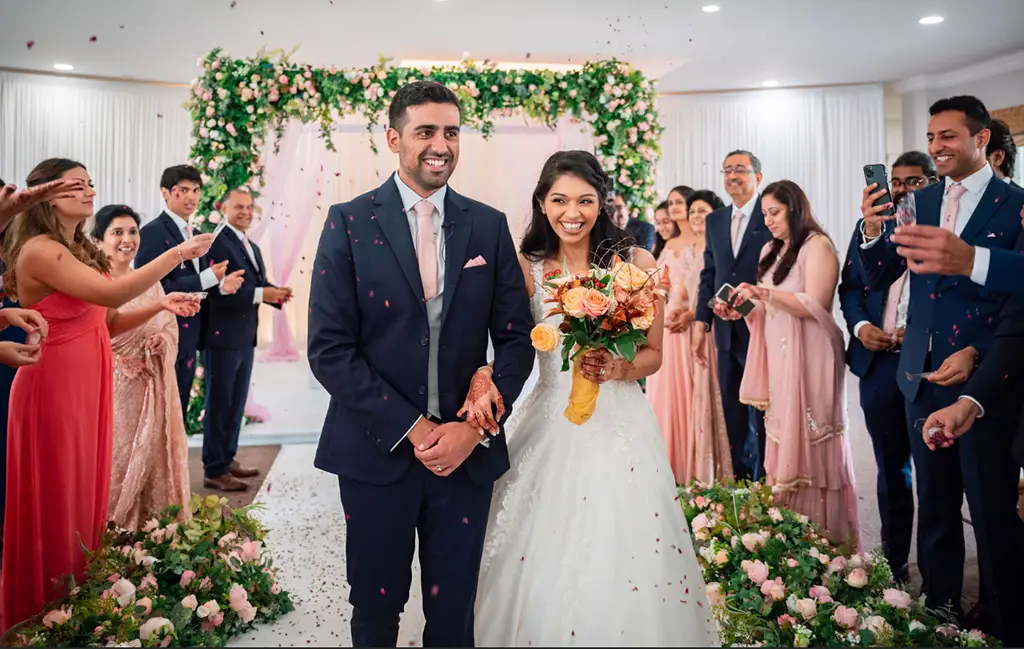
Floral arches, aisle arrangements and statement backdrops create a stunning setting for your vows. A floral hoop, for example, is an elegant modern choice and can often be repurposed for your reception.
Aisle flowers can be everything from low displays, which can be used later on tables, blossom trees or even a simple rose attached to each chair.
Reception tables
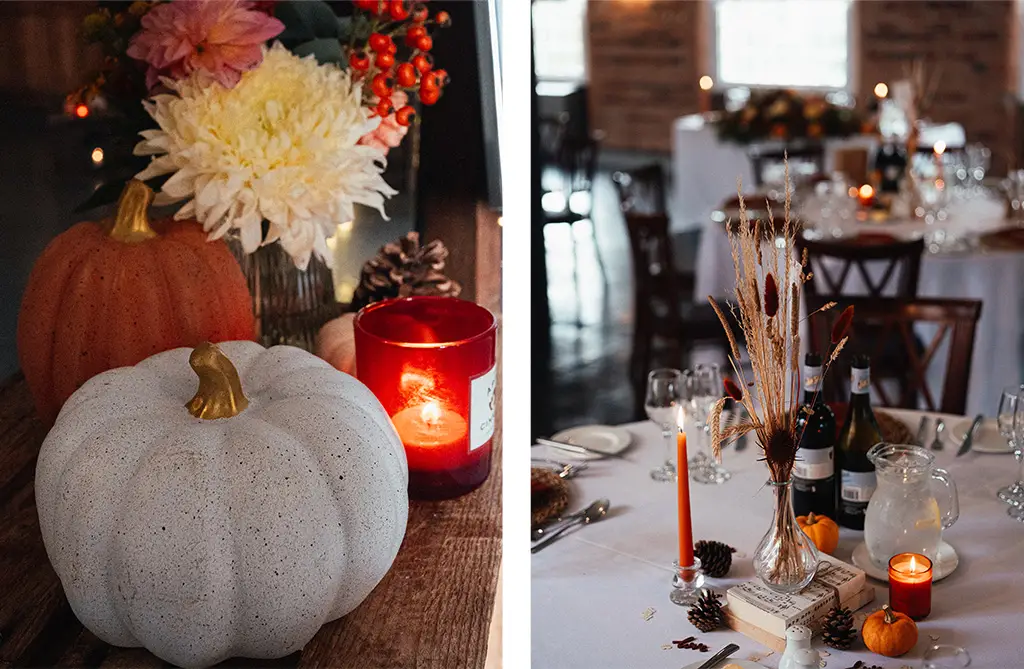
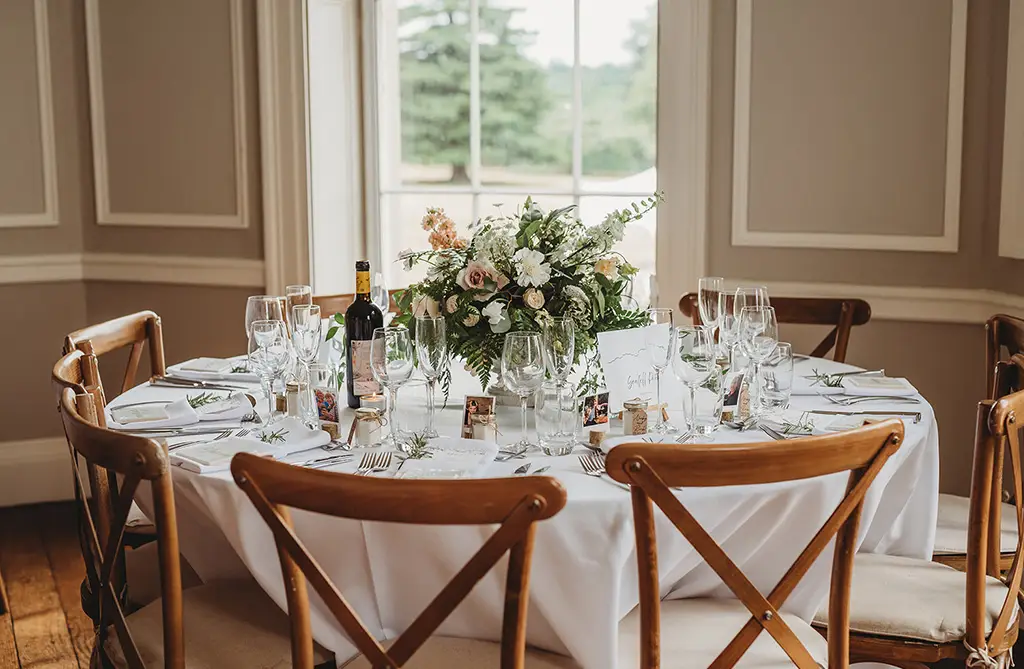
Centrepieces can range from a cluster of simple bud vases to dramatic tall floral displays, depending on your style and budget. Remember to go either high or low, as mid-height displays get in the way of conversation. A runner of flowers down the centre is also a great choice for long banquet tables.
Statement installations
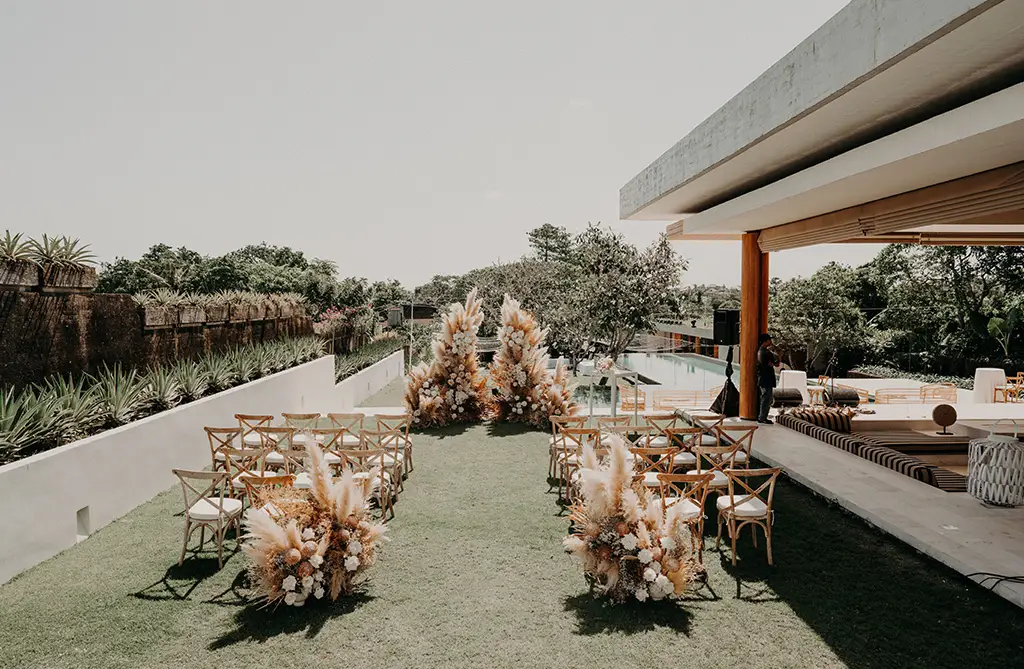
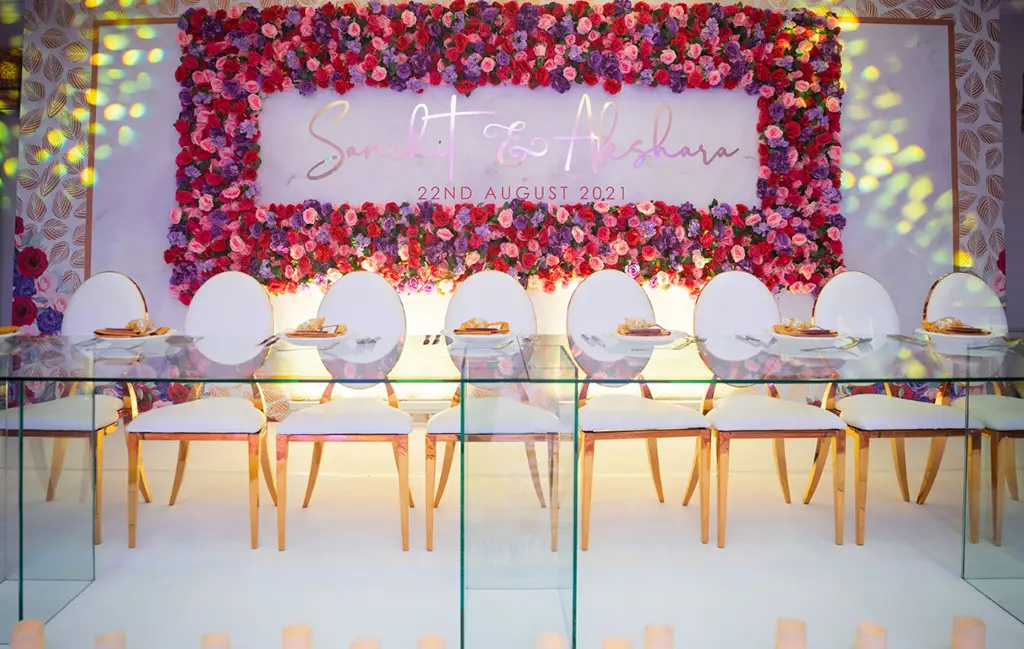
Hanging flowers, flower walls and large-scale arrangements make a real statement. How about a ‘flower cloud’ hanging over your wedding breakfast or a ‘waterfall’ of flowers cascading over the end of the top table? If money is no object, then displays like this create maximum floral impact.
Read more: Looking for more IE seasonal wedding flowers inspiration? Explore real weddings to see how couples styled their flowers by season.
Our favourite floral-inspired wedding dresses
If you love floral details, why not carry the theme through to your dress? At wed2b, you’ll find beautiful floral lace gowns featuring everything from wow-factor 3D lace appliqués to cutting-edge modern florals and softly romantic classic looks.
Classic floral wedding dresses
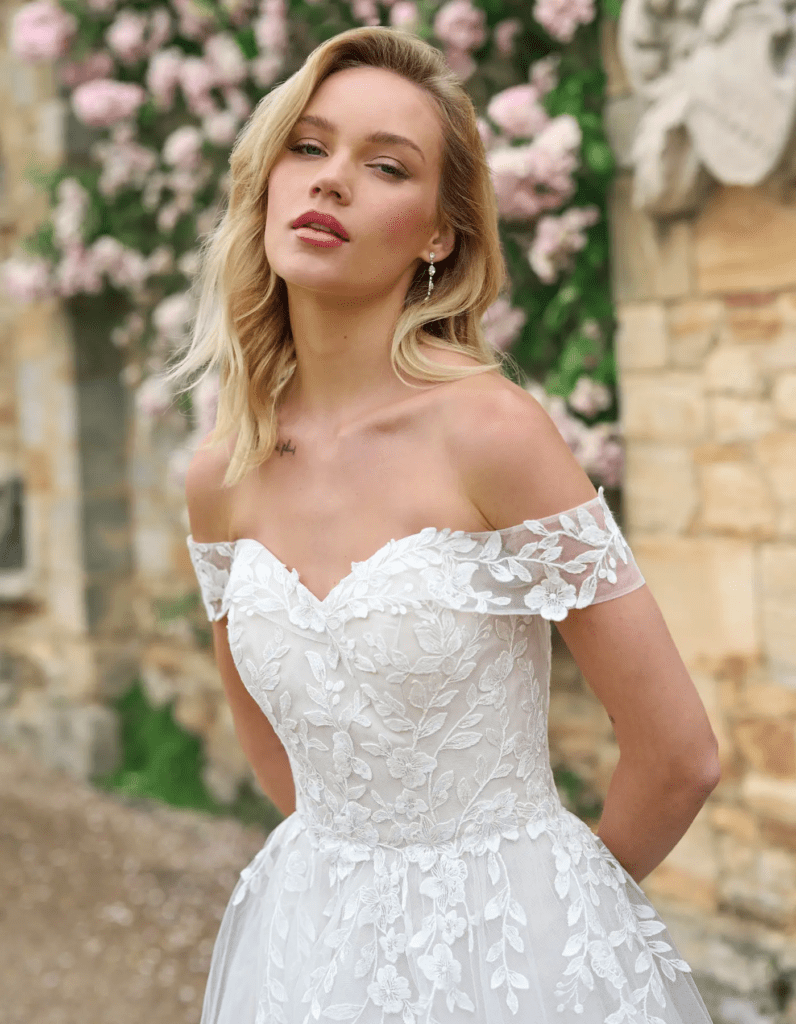
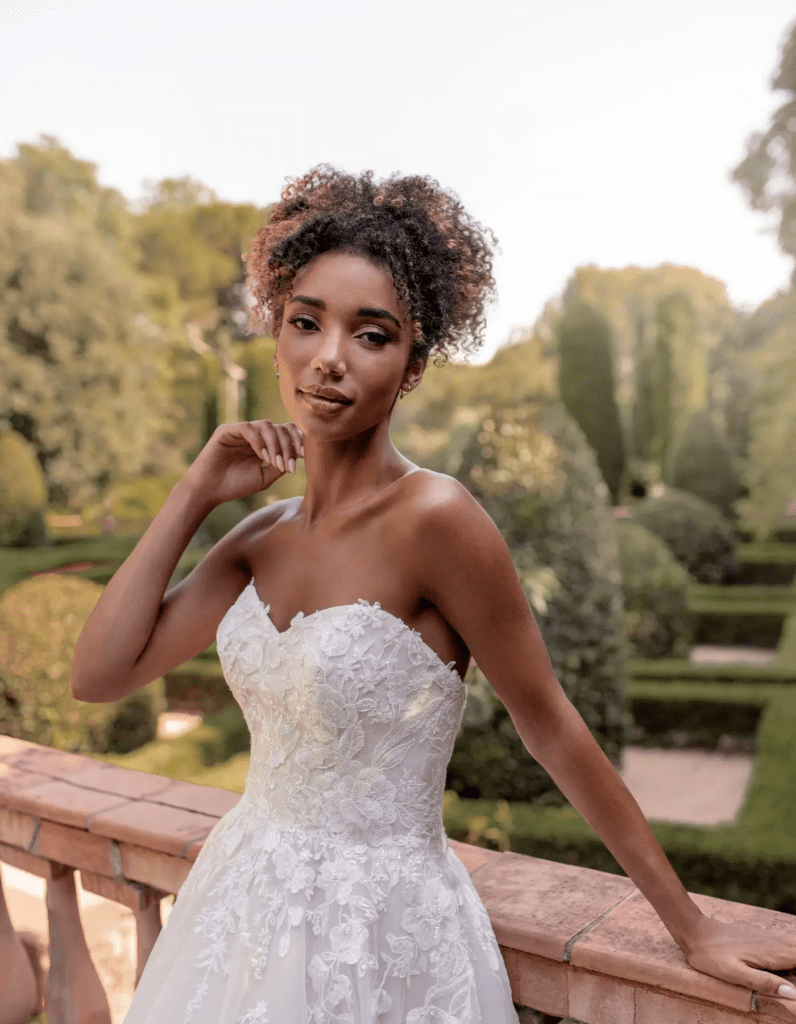
Wedding dress featured: Chloe by Anna Sorrano and Trinity by Viva Bride
For a timeless and romantic look, classic floral wedding dresses feature delicate detailing and elegant silhouettes. Subtle floral accents add softness and texture without overwhelming your overall style.
Modern floral wedding dresses
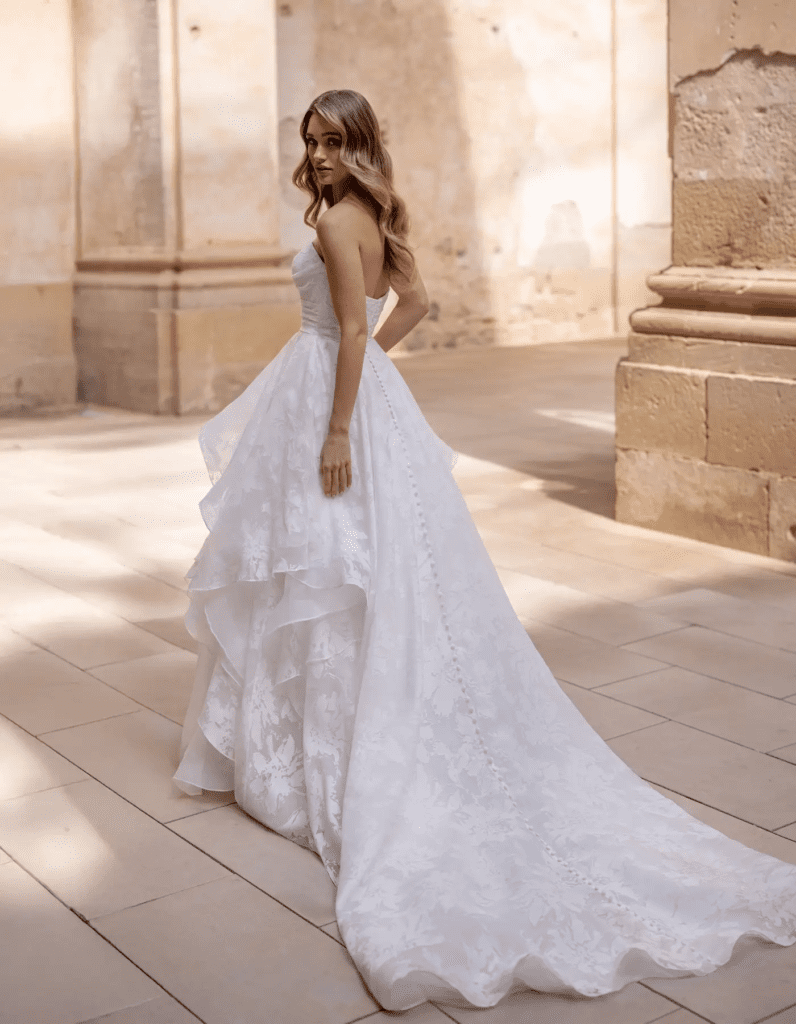
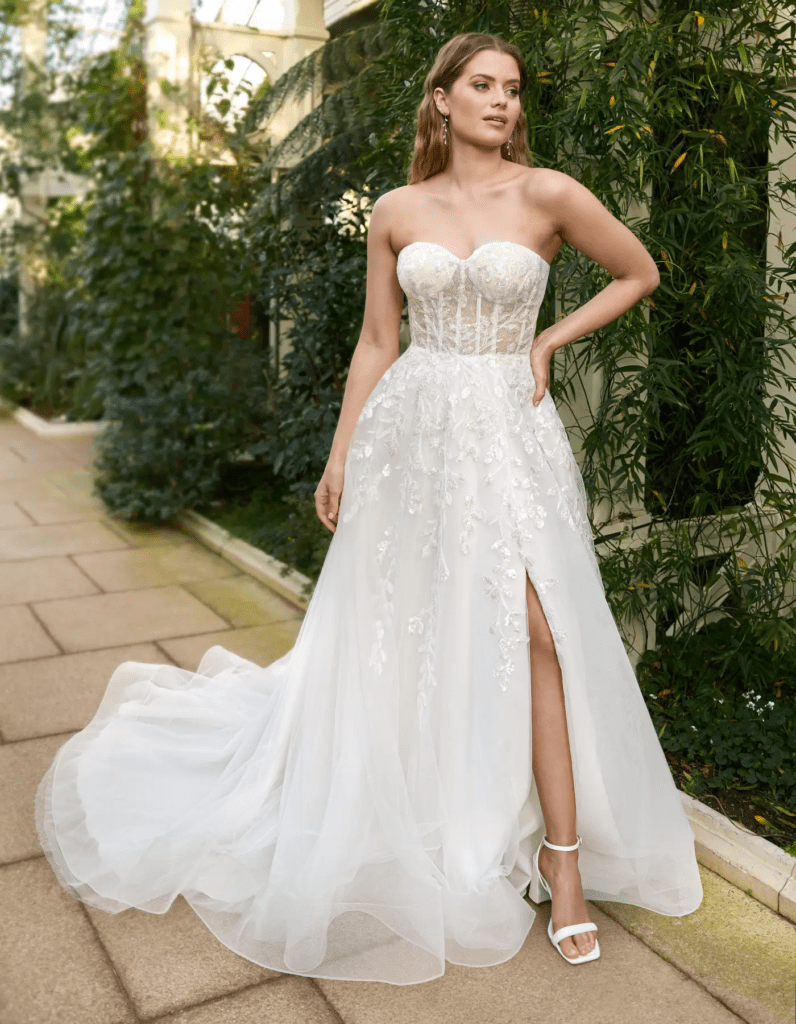
Wedding dresses featured: Sevilla by Aaliyah Quinn and Brixx by Viva Bride
Modern floral wedding dresses offer a fresh take on tradition, with bold patterns, sheer details and new fabrics like contemporary burnout organza. These designs are perfect for brides looking to make a stylish, fashion-forward statement.
Understated floral wedding dress
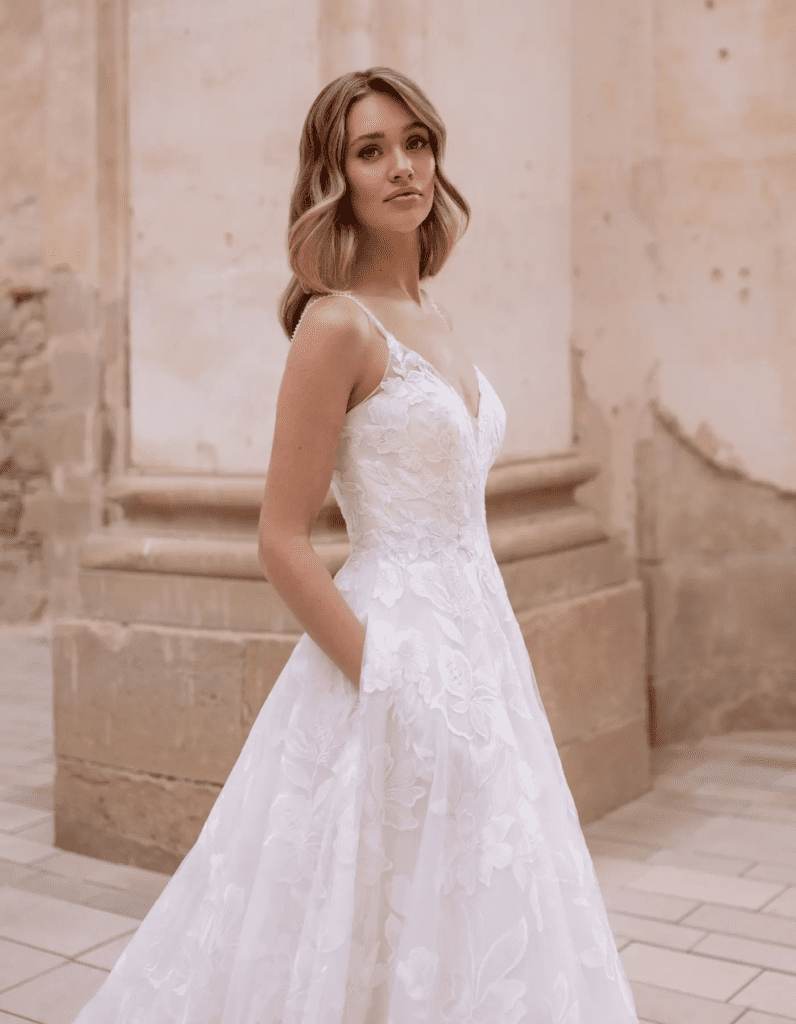
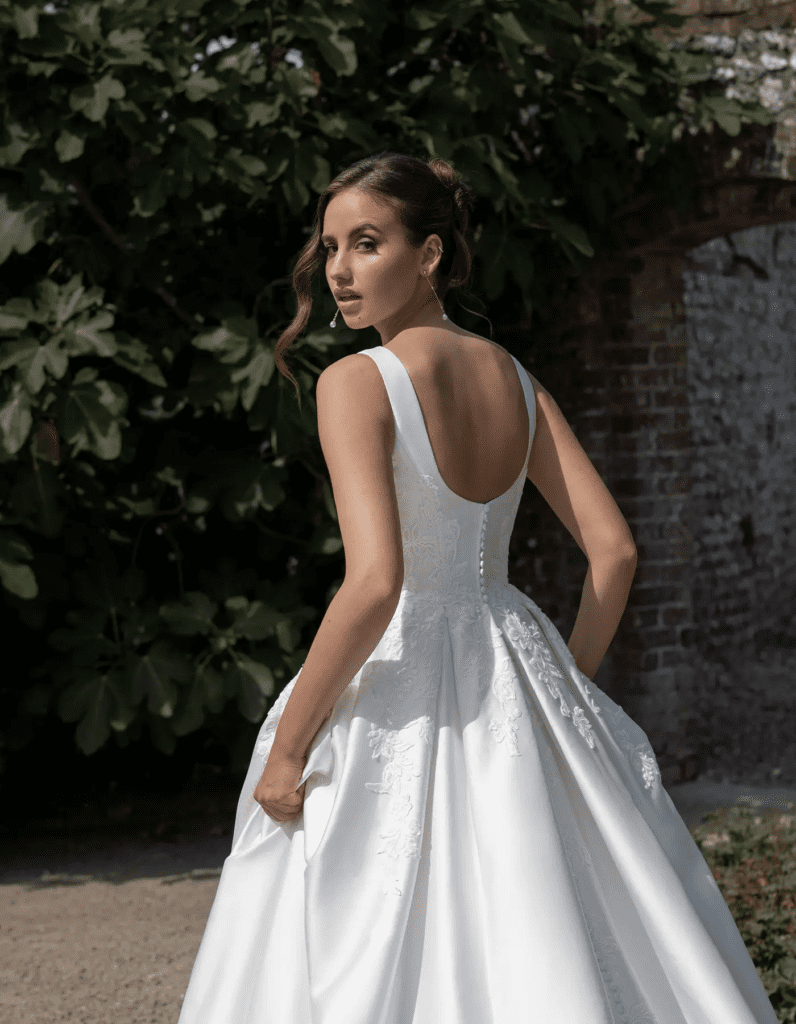
Wedding dresses featured: Novaan by Aaliyah Quinn and Penny by Anna Sorrano
Alternatively, keep it subtle with an understated floral wedding dress that brings a light touch of detail to your look. Perfect for a minimalist style, they add texture and interest without feeling overpowering.
Bold and beautiful floral wedding dresses
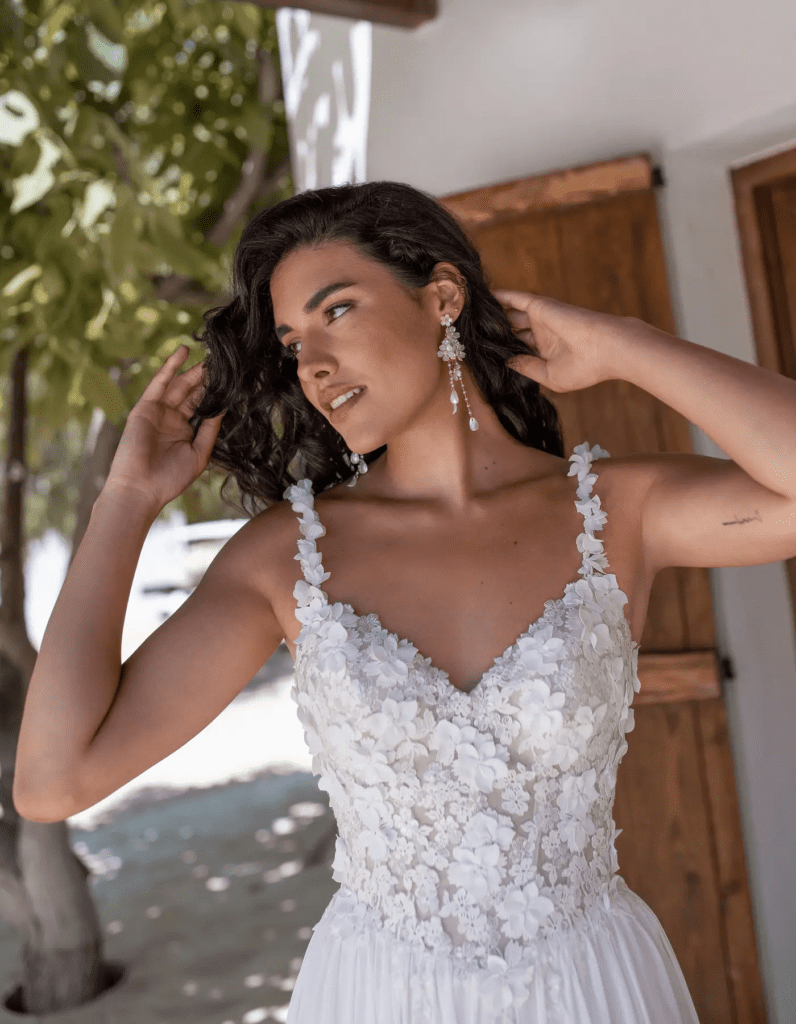
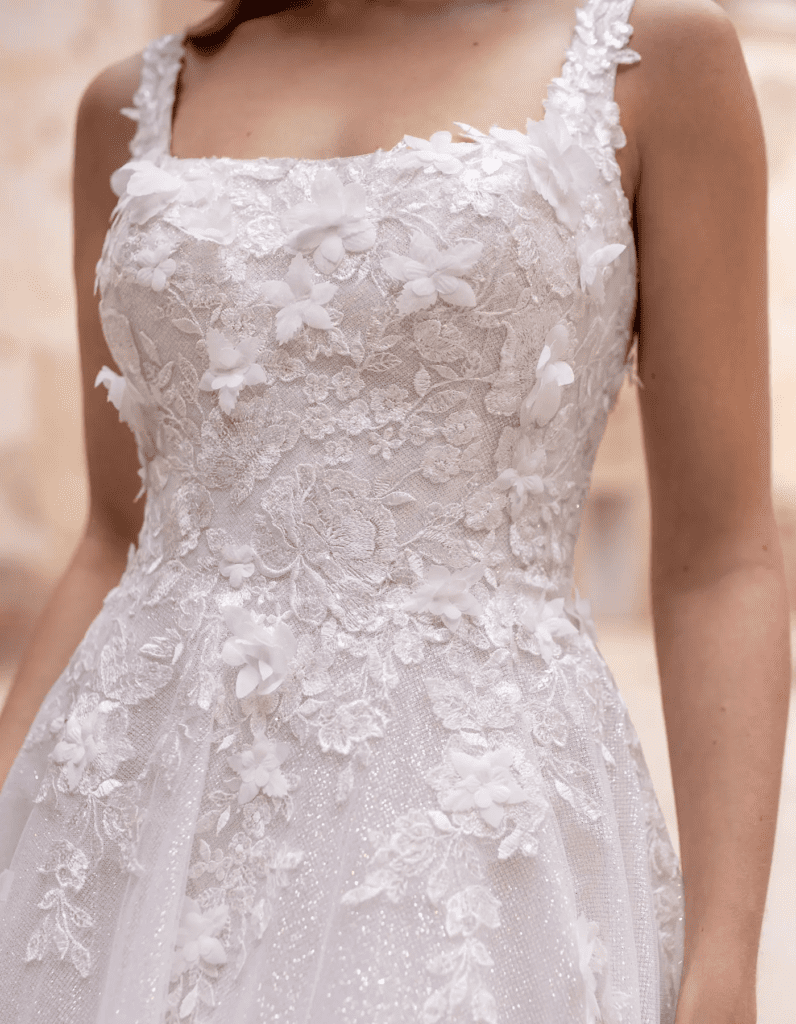
Wedding dresses featured: Juniper by Heidi Hudson and Deia by Aaliyah Quinn
However, floral-lovers should make a real statement with eye-catching details like 3D floral lace and dramatic textures. Perfect for brides who want standout style, these designs bring depth, dimension and a modern romantic edge.
Read more: Discover stunning floral accessories to match your dress
Final thoughts on seasonal wedding flowers
So, choosing seasonal wedding flowers isn’t just about aesthetics, it’s also a smart, practical decision. By working with what’s naturally available, you’ll benefit from better quality, more affordable pricing and flowers that truly reflect the time of year.
And, whether you’re planning a spring celebration filled with soft pastels, a bright summer wedding, a rich autumn palette or an elegant winter setting, understanding wedding flowers by month will help you create a look that feels delightfully effortless. So, why not embrace IE seasonal wedding flowers and let Mother Nature lend a hand when it comes to your wedding planning choices!
FAQs
What are the cheapest wedding flowers by season?
Seasonal flowers are usually the most affordable, with spring and summer offering the widest variety at lower prices due to availability.
What wedding flowers are always in season?
Roses, carnations and chrysanthemums are generally available year-round, making them versatile choices.
How far in advance should I choose wedding flowers?
It’s best to start planning your flowers around six to nine months before your wedding, especially if you have specific blooms in mind.
Can I mix seasonal and non-seasonal flowers?
Yes, but using mostly seasonal flowers helps keep costs down while still allowing flexibility for key statement blooms.
What are the most popular wedding flowers in the IE?
Roses, peonies, hydrangeas and ranunculus are among the most popular choices for IE weddings due to their versatility and beauty.
*Bridebook 2026 Wedding Report
Click here for more IE seasonal wedding flowers ideas from our brilliant real life brides. Also, for more inspiration, check out our Instagram, Facebook or TikTok accounts.
Share this article

