Style & Trend
Wedding Dress Alterations: Everything You Need to Know
Not every wedding dress needs altering, but many brides want a small tweak. Here's what's possible, what it costs, when to book and how to find the right seamstress.
Buying your wedding dress off the peg is one of the best things about shopping at wed2b. You find your dress, take it home the same day and don't have to wait months for it to arrive. But what happens next? For many brides, their dress fits beautifully straight away. For others, wedding dress alterations to the length, waist or bust are the final step in making it feel perfect.
Understanding the alterations process can also make this all feel much simpler. And, while wed2b doesn't carry out alterations, our Bridal Experts can give you plenty of advice on everything from what’s possible for your specific dress to when to book your fittings and how to find a good local seamstress.
So, without further ado, here’s everything you need to know about altering your wedding dress…
Key Takeaways
- The most common wedding dress alteration is hemming - shortening the length to suit the bride's height and heel choice. This is straightforward for most dress styles and fabrics.
- Alterations are the extra cost that surprises brides most. In wed2b's 2026 Wedding Survey of 11,437 brides, 44% of those who answered said alteration costs took them by surprise, so it's worth planning for them from the start.
- A seamstress can typically take a wedding dress in by up to two sizes, but making a dress bigger is significantly more difficult. That's why it's worth getting your size right in store, with help from your Bridal Expert.
- Not all alterations are possible on every dress. For example, heavily beaded sections, structured bodices and certain lace patterns all have limits. A good seamstress will tell you this honestly before taking on the work.
- Most seamstresses suggest starting alterations around two to three months before the wedding, with a final fitting two to four weeks before the day. Allow more time if your alterations are complex.
- wed2b does not carry out alterations, but our stylists can advise on what's realistic for your specific dress and provide a list of recommended local seamstresses.
Do all wedding dresses need to be altered?
No - some brides find a dress that fits perfectly straight off the peg. This happens more often than many people expect, particularly when you choose your size with help from your Bridal Expert.
The most common reason for an alteration is height. Wedding dresses are generally made to a standard length. So, if you're petite, taller than average or planning to wear flats rather than heels, shortening the hem may be all that's needed.
The second most common alteration is improving the fit around the waist or bust. Off-the-peg dresses are made to standard proportions, so your measurements might not match perfectly to a single size. A small amount of taking in a wedding dress at the waist or bust can often create a much closer fit.
Some brides also choose to personalise their dress by adding or removing details, such as sleeves, straps or a bustle. This is just another type of alteration work, although the complexity can vary hugely from one dress to another.
The main thing to remember is that needing a small adjustment doesn't mean your dress is the wrong size or the wrong dress. Minor alterations are a normal part of buying a wedding dress. They can also be the unique finishing touch that makes your gown feel made for you.
The Most Common Wedding Dress Alterations
Hemming - The most common alteration
Shortening the hem is the most frequent wedding dress alteration. Standard dress lengths are cut for a heel of roughly two to three inches. So, if you’re petite, plan to wear flat shoes or simply prefer a shorter length, a seamstress will pin and cut the hem to suit.
However, if you only need your skirt raised by a small amount, you may be able to avoid alterations altogether by wearing one or two wedding dress underskirts.
If hemming is required, it’s relatively straightforward on most dress fabrics. Although, on dresses with layered tulle, lace borders or beaded hems it’s a more skilled job. Always show the dress to your seamstress before agreeing a price, as the complexity of the hem can make a big difference to both the work involved and the cost.
And don't forget your shoes. The heel height determines where the finished hem needs to sit, so take your wedding shoes – or shoes with the same heel height – along to your fitting.
Taking in the bodice or waist
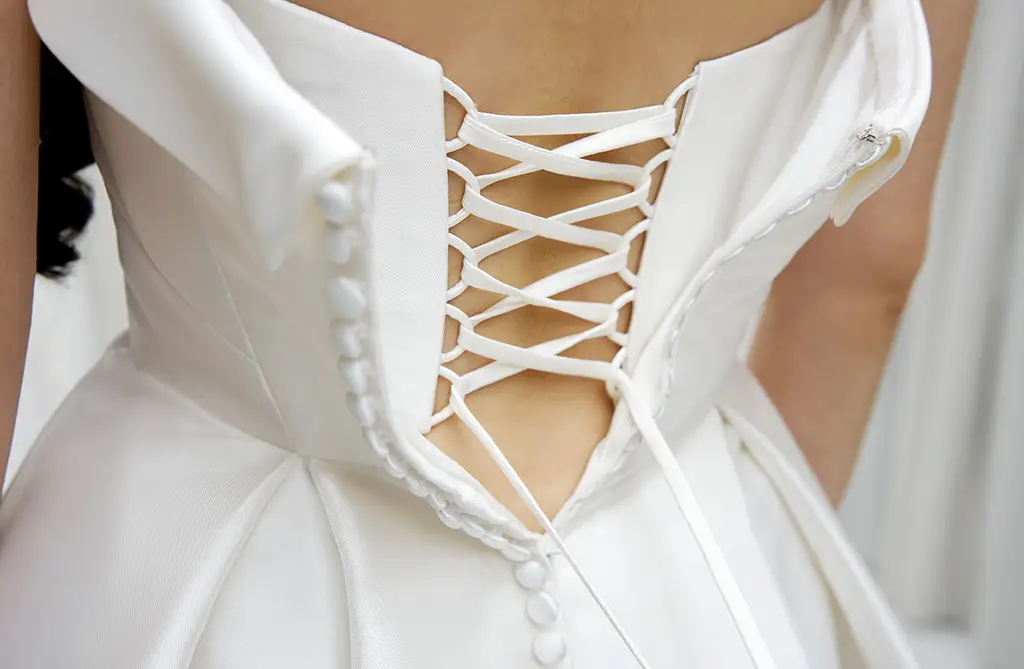
If your dress fits well on the hips and chest but is slightly loose at the waist, a seamstress can take it in. This is one of the most manageable alterations on most dress styles. On lace-up back wedding dresses, the lacing provides natural adjustment, which is why many brides choose a lace up specifically as it reduces the need for structured alterations. On zip-back styles, taking in at the waist is more involved.
Adjusting the bust
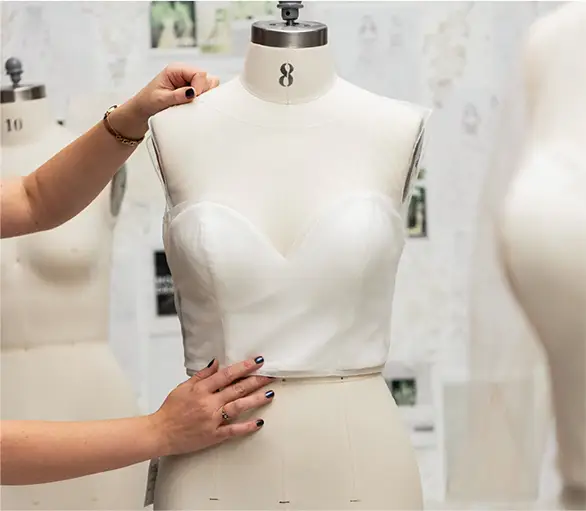
Bust alterations - taking in or adding padding - are common and manageable on most designs. If you'd like the cups changed to a colour closer to your skin tone, your Bridal Expert can talk this through with you and advise whether it's likely to be possible - the change itself would be made by your seamstress. However, heavily structured bodices or dresses with significant boning require a more experienced seamstress. If your dress is particularly structured, ask to see examples of similar work before committing.
Strap and sleeve adjustments
Shortening straps is a standard and relatively straightforward request. Depending on the construction of the dress, a seamstress can usually adjust the length without changing the overall appearance. You can also add detachable sleeves after buying your dress. wed2b offers a range of detachable straps and sleeves, making this an easy way to change the look of your gown without major structural alterations.
Here are a few more simple ways to customise your dress
Bustle additions
If your dress has a train and you want to dance freely at the reception, a seamstress can create a bustle, which is a series of internal loops that lift the train and keep it out of your way. There are several different bustle styles, and the right option will depend on the shape and construction of your dress. Discuss this with your seamstress before the final fitting, so they can build it in properly.
Wedding Dress Bustles: Types, How to Bustle & Expert Tips
Adding or removing detail
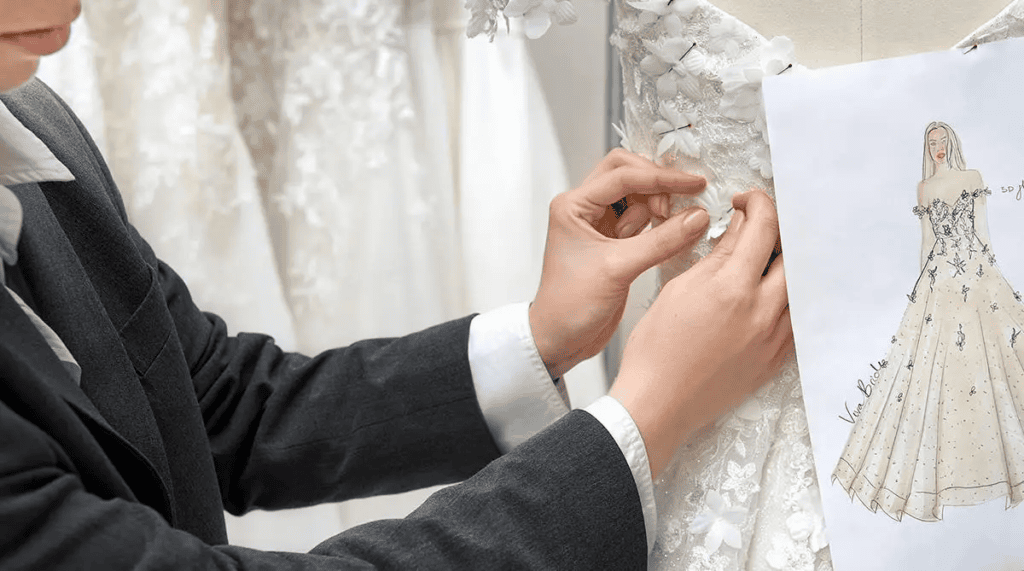
Some brides want to personalise their dress after buying it, perhaps by adding beading, removing lace from a neckline or changing the back fastening. These are more complex alterations and aren't always possible. Even when they can be done, changing a significant design detail can alter the character or balance of the original gown.
So, have a detailed conversation with your seamstress about exactly what you want before agreeing to this type of work. They should be able to explain what's achievable, how the finished result is likely to look and what it will involve.
Which wedding dress alterations aren't always possible?
One of the most useful things to know before booking alterations is that not every change can be made successfully. For example, making a dress smaller is generally much easier than making it bigger.
A seamstress can typically take a dress up to two sizes smaller, depending on its construction. However, making a dress bigger requires additional fabric that matches the original exactly, and in many cases there simply isn't enough available. That's why getting your size right in store matters - your Bridal Expert can help you choose the size that gives a seamstress the most scope to create the right fit. Our Wedding Dress Size Calculator can also give you a guide to the best size for you.
Beading, boning and lace elements
Heavy beading and embellishment can also make alterations much more complicated because every bead or detail needs to be removed, the fabric adjusted underneath and the detail replaced, if it can be replaced at all. On some dresses the beading is integral to the structure, so it may not be possible to recreate the original finish accurately.
Lace can be equally challenging. A lace border or a pattern-matched lace design may need to be carefully repositioned to preserve the original pattern, particularly when shortening a hem. A seamstress with bridal experience will know how to handle this but a general seamstress might not.
Structured bodices with boning can also be more difficult to alter than simpler fitted styles. The boning provides the structure of the dress, so changing the shape means working carefully around that construction. Delicate fabrics, heavily embroidered panels and certain types of chiffon or silk can also be tricky to work with without leaving marks or changing the way the fabric falls.
None of this means you need to avoid a detailed or structured dress. It simply means you should understand what's realistically possible before agreeing to alterations. A good seamstress will be honest about the limitations of your particular dress and so will your wed2b stylist.
How much do wedding dress alterations cost?
There's no standard price for alterations because every dress and every bride is different. And, if you're wondering about the wedding dress alterations cost UK brides can expect, it will depend on the type of work, the fabric, the construction of the gown and the seamstress you choose.
As a very general guide, a simple hem on a single-layer dress might cost around £40 to £80. A layered tulle hem, lace border or bodice adjustment usually costs more, and if your dress needs several alterations, or work on beading or structure, the total can run to several hundred pounds.
The best way to get an accurate price is to take your dress to the seamstress in person. Be cautious about accepting a firm quote from someone who hasn't seen your gown. Often, the complexity of the work isn't obvious from photographs or descriptions.
It's also worth planning for alterations separately from the cost of your dress. In wed2b's 2026 Wedding Survey of 11,437 brides, alterations were the most common unexpected cost of dress shopping, taking 44% of those who answered by surprise.
Planning for alterations from the beginning means the cost is much less likely to come as a surprise later. Remember to budget for the consultation, the alterations themselves and, ideally, a final fitting once the work is complete.
Your wedding dress fitting timeline: When to book alterations
How far in advance should you book a seamstress?
Popular seamstresses in peak wedding season book up fast. So, contact your seamstress as soon as you have your dress, even if you don’t need alterations started straight away. Getting a consultation booked early means you have a relationship in place if anything needs adjusting closer to the wedding.
When should alterations be completed?
Most seamstresses suggest starting alterations around two to three months before the wedding, with your final fitting two to four weeks before the day. That leaves time for any last tweaks, while keeping the fit as close as possible to how your body will be on the day. If alterations are complex - significant taking in, a new bustle or structural bodice work - allow more time, and agree a timeline with your seamstress rather than leaving everything until the last few weeks.
What if I lose or gain weight before the wedding?
This is one of the most common concerns brides have after buying their dress. The advice from most bridal seamstresses is not to alter your dress until your weight has stabilised, but don’t leave it so late that there’s no time for adjustments, if needed. Book your initial consultation early, have the conversation with your seamstress and let them advise a timeline that works for your specific situation.
Can I have alterations done at very short notice?
Some seamstresses can accommodate urgent requests, particularly for straightforward hems. But complex work can’t be rushed without affecting the quality. If you’re shopping close to your wedding date, discuss the alteration timeline honestly with your seamstress and with the wed2b stylist in store. They can both advise you on what’s realistic for your dress.
How to Find a Good Wedding Dress Seamstress
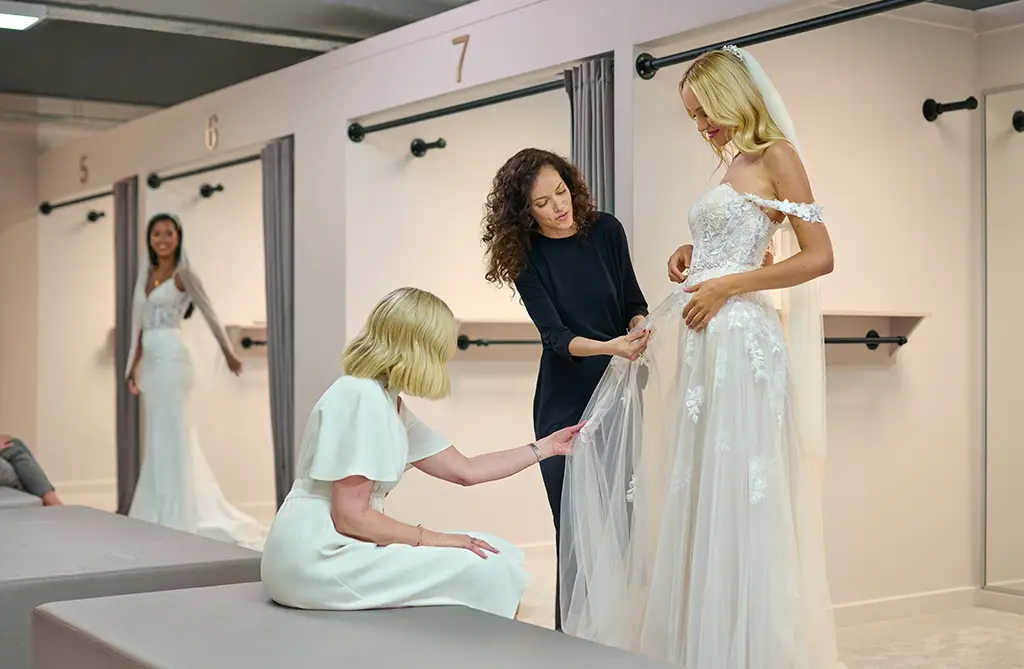
Ask your wed2b store for recommendations
When you buy your dress in store, your stylist can provide a list of recommended local seamstresses with bridal experience. These professionals have worked with wed2b dresses and understand their fabrics and construction, making them a useful place to start when you're looking for a wedding dress seamstress in the UK.
Use the wed2b Wedding Suppliers Directory
The wed2b Wedding Suppliers Directory lists wedding dress seamstresses near you across the UK, which is a useful starting point if you aren't close to a wed2b store or want to explore options in your area. As with any supplier, it's worth checking their bridal experience, asking about the type of work they specialise in and discussing your requirements before making a booking.
Check for bridal-specific experience
Not all seamstresses are experienced with bridal wear. The fabrics, the construction and the expectations are different from everyday clothing alterations. Before committing to a seamstress, ask specifically whether they have worked with wedding dresses, and ideally ask to see examples of similar work. A seamstress who has altered beaded gowns before will approach the work very differently from one who hasn’t.
Get a quote after they have seen the dress
Never commit to a price without the seamstress seeing the dress in person. Even experienced seamstresses cannot accurately quote on complexity without inspecting the garment. Take your dress - and your shoes - to the consultation, so the seamstress can assess the hem length accurately. They should be able to explain what needs doing and give you a more realistic price once they've seen the dress.
Have a clear conversation about what's possible
A good seamstress will tell you honestly what they can and cannot do before starting any work. If a seamstress is evasive about limitations or promises results that seem unrealistic, it's a warning sign. The best seamstresses are the ones who manage expectations clearly and then deliver within them.
What happens if you alter your dress
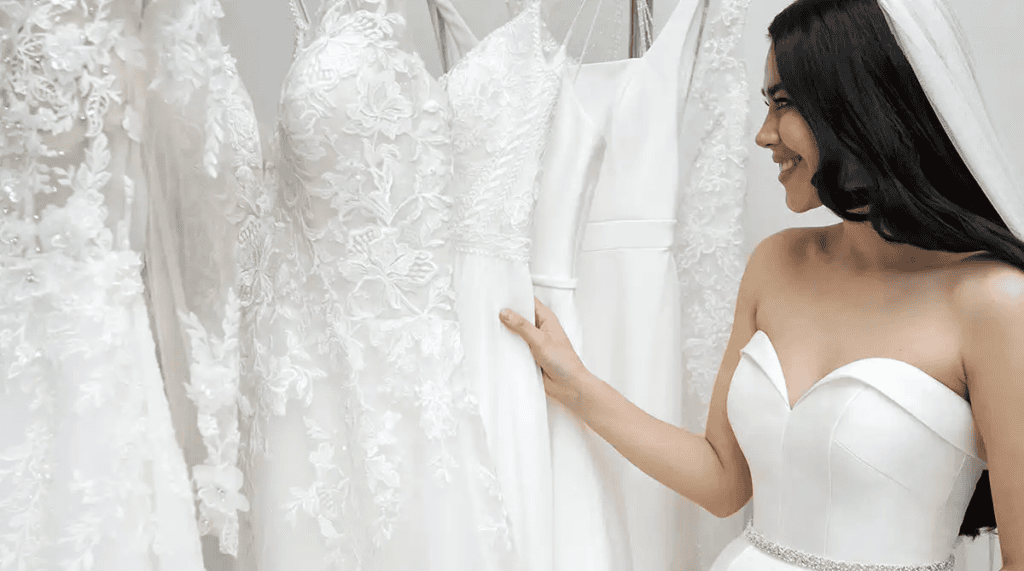
A key practical point to understand, before booking any work, is that once a wedding dress has been altered it can’t be returned or exchanged. This is standard practice across the bridal industry (not unique to wed2b), as an altered dress cannot be resold as a new garment.
So, it's important to be completely happy with your dress before a seamstress starts. If you're having second thoughts, make sure you resolve those first. And, if you'd like to try the dress on again before committing to alterations, head to your nearest wed2b store.
Once you're certain your dress feels right, you can move forward confidently. For many brides, alterations are simply the final step that makes an already beautiful dress feel completely theirs.
Tips for your first seamstress fitting
Bring your shoes
Your heel height determines the final hem length. So, take the shoes you plan to wear on the wedding day to every fitting. If you haven't bought your shoes yet, take a pair with the same heel height.
Wear the right underwear
In wed2b's survey, nearly one in four brides (23.3%) said underwear and shapewear were an extra cost they hadn't expected, so it's worth sorting yours before your first fitting.
Take photos at each fitting
Photos from different angles can help you and your seamstress track how the fit is developing. They can also be useful if you're trying to remember what was discussed or agreed at an earlier fitting.
An alterations appointment works
An alterations appointment works best when it’s focused, so bring one person whose opinion you trust. Too many voices makes it harder to concentrate on the adjustments the seamstress needs to make.
Speak up if something doesn’t feel right
If a pin placement feels uncomfortable or a line looks off, say so immediately. The seamstress is working with you, not on you. The more clearly you communicate how the dress feels, the better the result.
FAQs About Wedding Dress Alterations
Do wedding dresses always need alterations?
Not always, some brides find a dress that fits perfectly off the peg, particularly when they follow sizing advice and select the right size for their measurements. The most common alteration needed is a hem adjustment for height and heel choice. Minor fit adjustments at the waist or bust are also common but not universal.
How much do wedding dress alterations cost in the UK?
Costs vary significantly depending on the type of work, the fabric and the seamstress. A straightforward hem might cost between £40 and £80. However, more complicated work, such as taking in a structured bodice or adjusting heavy embellishment, can cost considerably more. Always get a quote in person after the seamstress has seen your dress.
Can a wedding dress be taken in?
Yes, a seamstress can typically take a wedding dress up to two sizes smaller. Making a dress bigger is much more difficult and in most cases not achievable without additional matching fabric. That's why it's worth choosing your size carefully in store, with advice from your Bridal Expert.
How long do wedding dress alterations take?
The timeline depends on the complexity of the work and your seamstress's schedule. Simple hemming can often be done within a few weeks, while complex structural alterations may take longer. Most seamstresses suggest starting around two to three months before the wedding, with a final fitting two to four weeks before the day.
Does wed2b do alterations?
wed2b does not carry out alterations. However, our stylists can give you advice on what is realistically possible for your specific dress and will provide a list of recommended local seamstresses with bridal experience. Once a dress has been altered it can’t be returned, so it’s worth having that conversation before any work begins.
Can I alter a beaded wedding dress?
Beaded dresses can be altered but the work is more complex and not all alterations are achievable. Hemming a beaded border requires removing beads, adjusting the fabric and replacing them, and matching the original pattern exactly is difficult. Always use a seamstress with specific experience in beaded or embellished bridal gowns.
When should I book a seamstress for my wedding dress?
Book as soon as you have your dress, even if alterations aren’t needed straight away. Popular bridal seamstresses in busy wedding seasons fill up quickly, and having a relationship in place means you have support available if anything needs adjusting closer to the day.
What’s the difference between a seamstress and a tailor for alterations?
Both can alter garments, but a seamstress with specific bridal experience will be more familiar with the fabrics, construction techniques and expectations involved in wedding dress work. A general tailor or seamstress may not have worked with delicate bridal fabrics, structured bodices or embellished gowns. Always ask specifically about bridal experience before booking.
How do I find a wedding dress seamstress near me?
Start by asking your wed2b stylist for recommendations when you buy your dress, then use the wed2b Wedding Suppliers Directory to find alteration specialists in your area. Whoever you choose, check they have bridal experience and ask to see examples of similar work. Always get a quote in person once they've seen your dress.
Final Thoughts
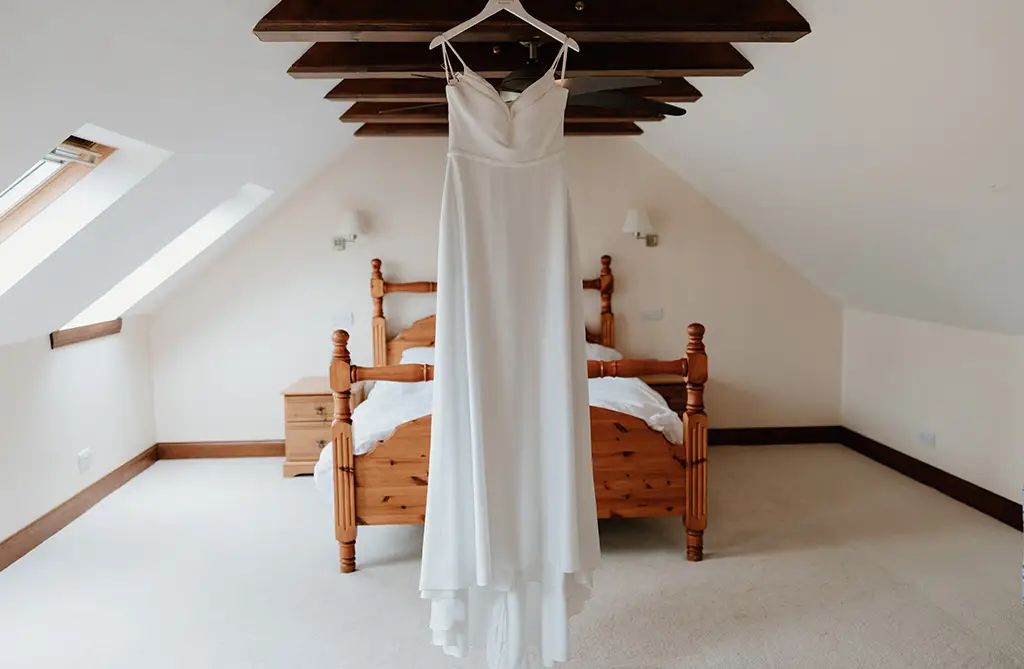
For most brides, alterations are absolutely nothing to worry about. They’re just a small and manageable step between buying your dress and wearing it. The key is understanding what your dress needs, allowing enough time, choosing someone with the right bridal experience and having an honest conversation about what’s possible.
Your wed2b stylist is a useful first point of contact. They know the dress you're buying, they know what can and can't realistically be changed and they can point you in the right direction when you're ready to arrange your fittings.
So, whether you need a simple hem, a small adjustment to the bodice or something more involved, it's a very straightforward process. Plus, with the right advice and a little planning, those final tweaks can be what makes your dress feel as though it was made especially for you.
Browse all our affordable wedding dresses, then find your nearest wed2b store to try on your favourites. You can also find an alteration specialist near you through the wed2b wedding suppliers directory. Lastly, you’ll find lots more gorgeous wedding dress inspiration in our real bride stories and on our Instagram, Facebook and TikTok pages.
Share this article

